
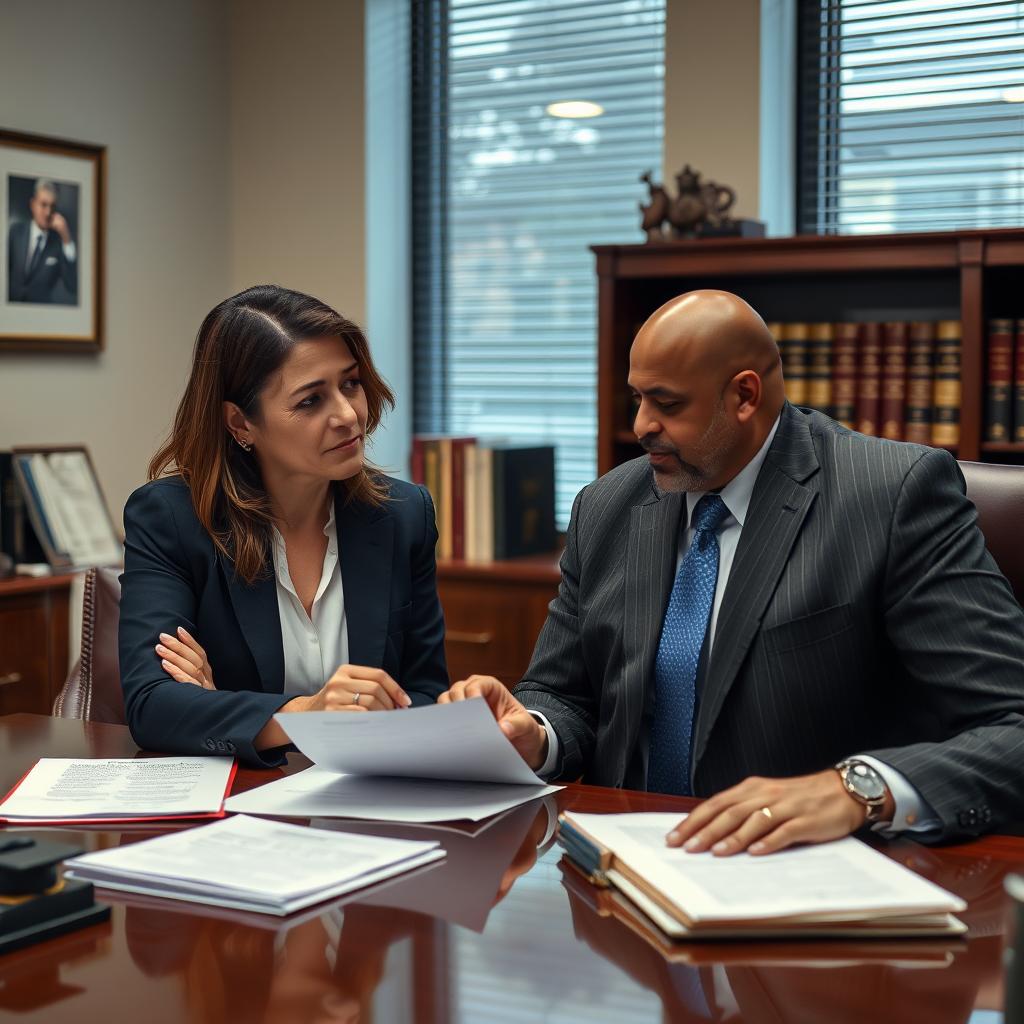
Counterfeiting of Obligations or Securities of the U.S. Lawyer Prince William County, VA
Federal counterfeiting charges involving obligations or securities of the United States are among the most serious white-collar offenses prosecuted in the Eastern District of Virginia. When the U.S. Attorney’s Office for the EDVA brings allegations under 18 U.S.C. §§ 471–485, a conviction can lead to decades in federal prison, heavy fines, and a permanent felony record. For residents of Prince William County—including Manassas, Woodbridge, Dale City, Dumfries, Gainesville, Haymarket, Lake Ridge, and Occoquan—the federal courthouse sits in Alexandria, approximately thirty miles from the county line. Law Offices Of SRIS, P.C. Concentrates its federal criminal defense practice on guiding clients through every stage of a counterfeiting investigation or prosecution. Mr. Sris, the firm’s Owner and Founder, brings a former prosecutor’s perspective to defense strategy, supported by Of Counsel with extensive federal courtroom experience. From the initial appearance to sentencing under the United States Sentencing Guidelines, the firm works to protect the rights of individuals facing federal counterfeiting allegations. To request a consultation, call (888) 437-7747. Law Offices Of SRIS, P.C. – Advocacy Without Borders.
What Federal Counterfeiting of Obligations or Securities Means in Prince William County
Federal counterfeiting of obligations or securities of the U.S. Covers the manufacture, possession, or uttering of counterfeit currency, bonds, treasury notes, and other government-issued financial instruments. Under 18 U.S.C. § 471, the knowing making or altering of any obligation or security of the United States with intent to defraud is a felony. Subsequent sections—§ 472 (passing counterfeit obligations), § 473 (dealing in counterfeit obligations), and § 474 (possessing plates or stones for counterfeiting)—broaden the reach of the statute. The United States Secret Service, working alongside the FBI, typically leads investigations into these offenses. A federal grand jury indictment in the Eastern District of Virginia triggers a prosecution that unfolds under the Federal Rules of Criminal Procedure and the sentencing framework of the USSG.
For Prince William County, a locality with a growing and diverse population, the federal court in Alexandria exercises jurisdiction over all federal criminal matters originating in the county. This means that a person charged with counterfeiting—whether the conduct is alleged to have occurred in Manassas, Woodbridge, or online—will appear before a U.S. Magistrate Judge at the Albert V. Bryan United States Courthouse. The case is then handled by an Assistant United States Attorney from the EDVA. The firm understands the local federal court procedures, the pretrial services process, and the detention and bond practices that apply to nonviolent white‑collar defendants in this district. Early engagement with counsel can shape the trajectory of the case, from the timing of the initial appearance to the negotiation of a plea agreement or the preparation for trial.
How Mr. Sris and His Of Counsel Handle Federal Counterfeiting Cases
Defending a federal counterfeiting charge begins with an immediate and thorough review of the government’s evidence. The investigative file may contain Secret Service reports, forensic analyses of seized documents, financial transaction records, and witness statements. Mr. Sris and his Of Counsel scrutinize each component for procedural irregularities—such as deficiencies in the warrant application or the chain of custody for physical evidence—that may support a motion to suppress. Because the government often relies on documentary and electronic evidence, the defense team examines the authenticity and reliability of that material, consulting with forensic experts when necessary.
The firm approaches every case with a focus on the client’s individual circumstances. The United States Sentencing Guidelines assign a base offense level to counterfeiting, but numerous factors—including the amount of loss, role in the offense, and acceptance of responsibility—influence the final guideline range. Mr. Sris’s experience as a former prosecutor informs a realistic assessment of the government’s case, and his Of Counsel work collaboratively to develop a strategy that may include challenging the intent element, negotiating a reduction of charges, or taking the matter to trial. Throughout the process, the firm keeps clients informed about court dates, motions practice, and potential sentencing exposure so they can make informed decisions.
About Mr. Sris and His Of Counsel Team
Mr. Sris, Owner and Founder of Law Offices Of SRIS, P.C., has concentrated his practice on complex federal criminal defense matters since establishing the firm in 1997. His background as a former prosecutor provides valuable insight into how the government builds a counterfeiting case—from investigation through trial. Mr. Sris testified before the Virginia House Courts of Justice Committee in support of 2019 HB 635 (chief patron Del. David Bulova). He is admitted in Virginia, Maryland, the District of Columbia, New Jersey, and New York, and he appears regularly before the U.S. District Court for the Eastern District of Virginia.
Mr. Sris is supported by Of Counsel who bring experience in federal criminal defense and white-collar litigation. Each Of Counsel is engaged through Excella, and together they offer over 120 years of combined legal experience. Results may vary. Mr. Sris and his Of Counsel have documented 4,739+ case results across all practice areas since 1997. For a consultation regarding a federal counterfeiting matter in Prince William County, reach Law Offices Of SRIS, P.C. at (888) 437-7747.
Frequently Asked Questions
What is federal counterfeiting of obligations or securities of the U.S.?
Federal counterfeiting of obligations or securities of the U.S. Involves the unauthorized creation, alteration, or passing of currency, bonds, treasury notes, or other government-issued financial instruments with intent to defraud. The offense is codified at 18 U.S.C. §§ 471–485, which criminalize acts ranging from making counterfeit money to possessing printing plates for counterfeiting. A conviction under these statutes can result in a maximum penalty of 20 to 25 years in prison, depending on the specific section charged. Because these are federal felonies, they are prosecuted by the United States Department of Justice, most often after an investigation by the U.S. Secret Service or the FBI. A charge of this nature triggers complex federal procedural rules and typically involves extensive documentary evidence. An experienced federal defense attorney can evaluate the evidence, identify potential constitutional or procedural defenses, and advise on the trusted course of action.
What are the penalties for counterfeiting U.S. Obligations in Virginia?
Under 18 U.S.C. § 471, a person convicted of counterfeiting obligations or securities of the United States faces imprisonment of up to 20 years and a fine. A conviction under § 472, which prohibits passing or attempting to pass counterfeit obligations, carries a similar penalty. Additional sections—such as § 473 (dealing in counterfeit obligations) and § 474 (possessing plates, stones, or digital files for counterfeiting)—may increase the maximum term to 25 years. The actual sentence is determined under the United States Sentencing Guidelines, which consider the financial loss involved, the defendant’s role in the offense, and any criminal history. The federal system has no parole, although good‑time credits can reduce time served by up to 54 days per year. Mandatory restitution to the United States or other victims may also be ordered.
How does a federal criminal case proceed in Virginia’s Eastern District?
A federal criminal case in the Eastern District of Virginia, which covers Prince William County, typically begins with an arrest or a summons following a grand jury indictment. The accused makes an initial appearance before a U.S. Magistrate Judge, who advises the defendant of the charges and determines pretrial release conditions. A detention hearing may follow if the government seeks to hold the defendant without bond. The case then moves to arraignment, where a plea is entered. If the case proceeds to trial, the Speedy Trial Act generally requires that the trial begin within 70 days of the indictment, though excludable delays—such as time spent on pretrial motions—can extend that period. The process concludes with sentencing before a U.S. District Judge, who applies the United States Sentencing Guidelines with discretion post‑Booker. Having counsel familiar with the local federal court’s procedures can help navigate each phase.
Do I need a lawyer for a federal counterfeiting charge?
Yes. A federal counterfeiting charge is a serious felony that exposes the accused to a potentially lengthy prison sentence and other significant consequences. The federal criminal process is adversarial, and the government is represented by experienced prosecutors. Without counsel, a defendant may overlook critical procedural or evidentiary issues that could affect the outcome. An attorney can challenge the sufficiency of the evidence, file motions to suppress evidence obtained in violation of the Constitution, negotiate with the government for a favorable plea agreement, or prepare the case for trial. Because federal sentencing guidelines are complex, an attorney with experience in the Eastern District of Virginia can provide a realistic assessment of sentencing exposure and the factors that may reduce a guideline range. Engaging counsel early allows for a more thorough investigation of the facts and a more strategic defense.
What should I do if I believe I am under investigation for counterfeiting?
If you suspect that you are under investigation for counterfeiting obligations or securities of the United States, do not discuss the matter with anyone except your attorney. You should refrain from speaking with federal agents or investigators without counsel present, as anything you say can be used against you in a criminal prosecution. Preserve all relevant records, including financial documents, communications, and any materials that may be relevant to the investigation—but do not alter, destroy, or conceal evidence, as that could lead to additional obstruction charges. Contact a federal criminal defense attorney immediately. An experienced lawyer can contact the investigating agency on your behalf, determine the nature and scope of the investigation, and advise you on how to protect your rights. Early legal intervention may influence whether charges are filed and can help you present mitigating information to the prosecutor before an indictment is returned.
How can a lawyer help in Prince William County specifically?
A lawyer who handles federal counterfeiting cases in the Eastern District of Virginia understands the specific practices of the U.S. Attorney’s Office for the EDVA, the preferences of the district’s judges, and the local procedural norms. For a defendant living in Prince William County, proximity to the Alexandria courthouse means that pretrial and trial appearances are accessible, but navigating the federal system still requires familiarity with local rules and personnel. Law Offices Of SRIS, P.C. represents clients throughout Prince William County—from Manassas to Woodbridge—and the firm’s Fairfax location is approximately a thirty‑minute drive from the federal courthouse. Mr. Sris and his Of Counsel appear regularly in the EDVA and understand the interplay between federal investigative agencies such as the Secret Service and the local procedures that govern bond, discovery, and plea negotiations in this district.
Related pages:
Federal Criminal Lawyer Fairfax County ·
Federal Criminal Lawyer Stafford County ·
Federal Criminal Lawyer Fauquier County ·
Federal Criminal Lawyer Loudoun County ·
Federal Criminal Lawyer Arlington County
Federal primary sources:
18 U.S.C. § 471 (Counterfeiting) ·
U.S. District Court — Eastern District of Virginia ·
U.S. Attorney’s Office — EDVA
Attorney advertising. Prior results do not guarantee a similar outcome. Results may vary.
Case results depend on a variety of factors unique to each case.