
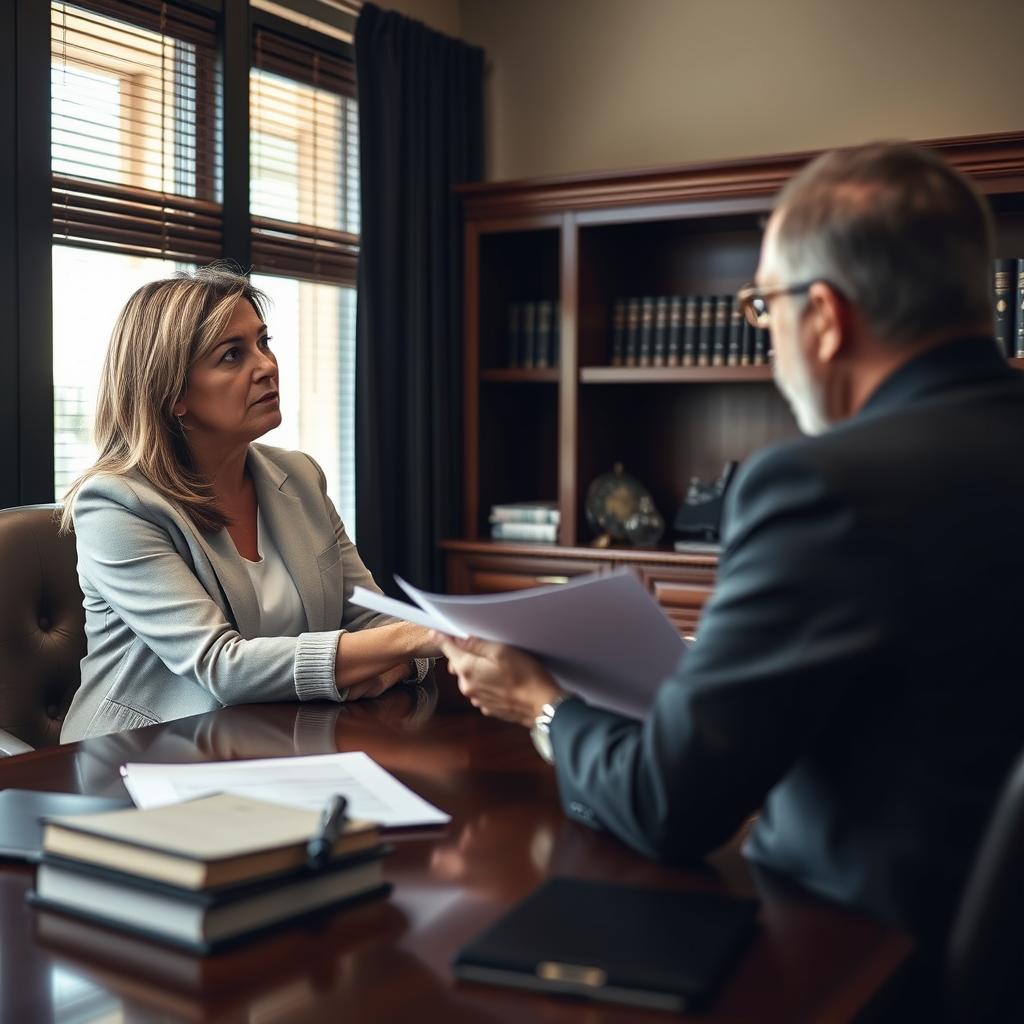
Trafficking in Counterfeit Goods lawyer Prince William County, VA
Federal trafficking in counterfeit goods is a serious felony prosecuted actively by the U.S. Attorney’s Office in the Eastern District of Virginia. If you are facing an investigation, have been indicted, or have received a target letter related to the sale, distribution, or importation of counterfeit products, you need an experienced federal defense attorney who understands the local federal court process. Mr. Sris and his Of Counsel team represent individuals and businesses in Prince William County and throughout Northern Virginia who are accused of violating federal trademark and counterfeiting laws. Cases are heard in the U.S. District Court for the Eastern District of Virginia, with proceedings typically taking place at the Alexandria courthouse. Federal agents from agencies such as Homeland Security Investigations, the FBI, and U.S. Customs and Border Protection often participate in these investigations. Contact Law Offices Of SRIS, P.C. at (888) 437-7747 to request a consultation. Law Offices Of SRIS, P.C. – Advocacy Without Borders.
What Federal Trafficking in Counterfeit Goods Means in Prince William County
Federal trafficking in counterfeit goods involves the intentional trafficking, or attempted trafficking, in goods or services that bear a counterfeit mark. A counterfeit mark is a spurious mark that is identical to, or substantially indistinguishable from, a registered trademark. Under federal law, these offenses are prosecuted in U.S. District Court because trademarks are federally registered and the interstate nature of the commerce triggers federal jurisdiction. The U.S. Attorney for the Eastern District of Virginia, which includes Prince William County, prioritizes intellectual property enforcement. Investigations may originate from online marketplaces, freight inspections at Dulles International Airport, or undercover purchases. If you reside in Manassas, Woodbridge, Dale City, or any community served by the Prince William County courts, your case will still be litigated in the federal system, not the local state courthouse. Understanding this distinction is important. The procedural rules, discovery obligations, and sentencing framework are all governed by the Federal Rules of Criminal Procedure and the U.S. Sentencing Guidelines. An experienced federal practitioner familiar with the Eastern District can help you navigate the process.
The penalties upon conviction are severe. The court may impose a term of imprisonment, a substantial fine, an order of restitution to the trademark holder, and forfeiture of the counterfeit goods and any property used to commit the offense. Sentencing is determined under the advisory U.S. Sentencing Guidelines, which consider factors such as the retail value of the infringing goods, the number of items, and whether the offense involved the conscious or reckless risk of serious bodily injury or death. There is no parole in the federal system. A person convicted of a federal counterfeiting offense will serve a significant portion of any imposed sentence. Given the stakes, retaining counsel who is admitted to practice in the U.S. District Court for the Eastern District of Virginia is critical.
How Mr. Sris and His Of Counsel Handle Trafficking in Counterfeit Goods Cases
Mr. Sris and his Of Counsel team approach every federal counterfeiting case with a thorough review of the government’s evidence. In many instances, the investigation begins long before an arrest or indictment. If you become aware that you are under scrutiny, early intervention can shape the direction of the case. Our firm works to communicate with the assigned Assistant U.S. Attorney, preserve exculpatory evidence, and assess the strengths and weaknesses of the prosecution’s theory. The defense may challenge the validity of the trademark registration, whether the mark in question actually meets the legal definition of a counterfeit mark, or whether the government can prove the requisite intent to traffic in goods knowing they were counterfeit.
Federal cases often involve voluminous discovery, including financial records, email correspondence, and testimony from cooperating witnesses. Mr. Sris and his Of Counsel have experience reviewing digital evidence and working with forensic accountants when necessary. We concentrate on identifying procedural missteps, such as unlawful searches or violations of the Fourth Amendment, that can lead to the suppression of evidence. In some cases, negotiation with the prosecution may result in a resolution that minimizes exposure to incarceration, such as pleading to a lesser offense or cooperating under a 5K1.1 departure. Results may vary.
About Mr. Sris and His Of Counsel Team
Mr. Sris, Owner and Founder of Law Offices Of SRIS, P.C., founded the firm in 1997. He is a former prosecutor with experience in criminal trial work. His background as a former prosecutor provides insight into how federal cases are built, from the grand jury stage through trial. Mr. Sris is admitted in Virginia, Maryland, the District of Columbia, New Jersey, and New York, and he has handled matters in the U.S. District Court for the Eastern District of Virginia. Mr. Sris testified before the Virginia House Courts of Justice Committee in support of 2019 HB 635 (chief patron Del. David Bulova). Mr. Sris is supported by a team of Of Counsel attorneys who concentrate in criminal defense, federal litigation, and related practice areas. The Of Counsel team brings experience in federal motion practice, sentencing advocacy, and trial strategy. Together, Mr. Sris and his Of Counsel work to protect the rights of individuals accused of trafficking in counterfeit goods. Reach Law Offices Of SRIS, P.C. at (888) 437-7747.
Frequently Asked Questions
What is federal trafficking in counterfeit goods?
Federal trafficking in counterfeit goods is the intentional trafficking or attempted trafficking in goods or services that knowingly use a counterfeit mark. A counterfeit mark is a spurious mark that is identical to or substantially indistinguishable from a federally registered trademark. The offense can involve a wide range of products—from luxury handbags and electronics to pharmaceuticals and automotive parts. Because trademarks are federally registered, the conduct falls under federal criminal jurisdiction regardless of where in the United States the trafficking occurs.
What are the penalties for trafficking in counterfeit goods in a federal case?
Penalties for federal trafficking in counterfeit goods include incarceration, substantial fines, restitution to the trademark holder, and forfeiture of the counterfeit items and any assets connected to the offense. The length of imprisonment depends on the retail value of the goods and whether the defendant has a prior criminal history. The United States Sentencing Guidelines also consider whether the offense involved the conscious or reckless risk of death or serious bodily injury, which can arise in cases of counterfeit pharmaceuticals or airplane parts. There is no parole in the federal system, so a convicted defendant will serve a significant portion of the sentence imposed.
How does a federal counterfeit goods case proceed in the Eastern District of Virginia?
In the Eastern District of Virginia, the case typically begins with an investigation by federal agents, often Homeland Security Investigations or the FBI. A federal grand jury may return an indictment. The defendant is then arraigned before a U.S. Magistrate Judge. Detention hearings, discovery, pretrial motions, and a possible trial follow. The case may be heard in Alexandria, Richmond, Norfolk, or Newport News, depending on where the alleged conduct occurred. Proceedings are governed by the Federal Rules of Criminal Procedure. The Speedy Trial Act sets certain deadlines, but complex cases may take many months to resolve.
What should I do if I am under investigation for counterfeit goods trafficking?
If you suspect you are under federal investigation—whether you have received a target letter, been contacted by agents, or had a search warrant executed—you should exercise your right to remain silent and request an attorney immediately. Do not speak with law enforcement without counsel. Preserve any records that may be relevant, but do not destroy anything, as that could lead to additional charges. Contact an experienced federal defense attorney who can evaluate the investigation, contact the prosecutor, and help you understand your options.
Do I need a lawyer for a federal counterfeit goods charge?
Federal counterfeit goods charges carry serious consequences, including a potential felony conviction, incarceration, and a permanent criminal record that can affect employment and immigration status. Federal prosecutors have a high conviction rate. An attorney admitted to the U.S. District Court for the Eastern District of Virginia can file procedural motions, negotiate with the government, and advise you on how to proceed. Self-representation in a complex federal case is risky. For a consultation, reach Mr. Sris and his Of Counsel at (888) 437-7747.
Can a federal counterfeit goods case be resolved without a trial?
Yes. Many federal criminal cases are resolved through plea agreements rather than trial. The defense may negotiate with the prosecution to secure a plea to a lesser charge, a favorable sentencing recommendation, or cooperation agreement. Whether a resolution without trial is possible depends on the facts of the case, the strength of the government’s evidence, and the client’s objectives. Mr. Sris and his Of Counsel evaluate every option and advise clients on the most appropriate course of action. Results may vary.
Additional practice area pages that may be of interest:
Fairfax County Federal Criminal Lawyer |
Stafford County Federal Criminal Lawyer |
Fauquier County Federal Criminal Lawyer |
Loudoun County Federal Criminal Lawyer |
Arlington County Federal Criminal Lawyer
Attorney advertising. Prior results do not guarantee a similar outcome.
Results may vary.
Case results depend on a variety of factors unique to each case.