
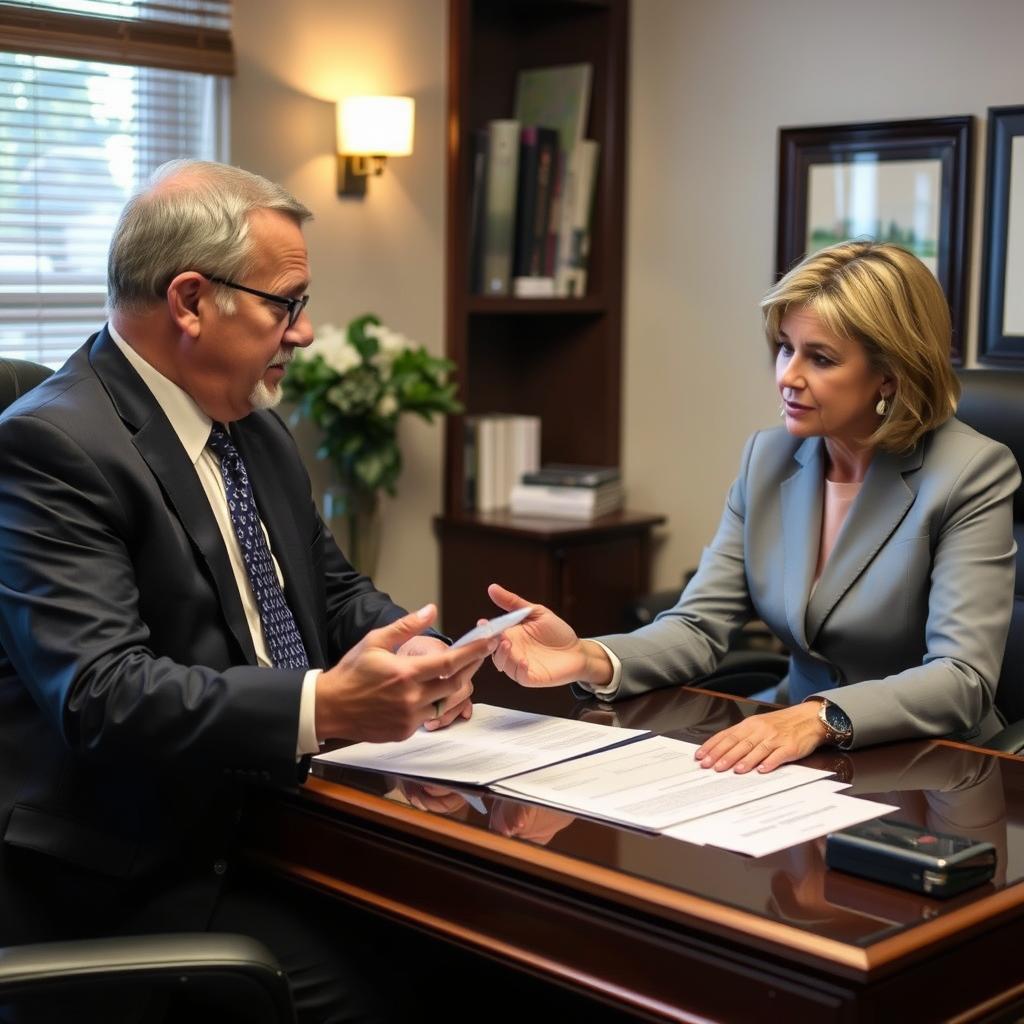
Foundation Planning Lawyer Arlington County, VA
In Arlington County, Virginia, individuals and families seeking to create a lasting philanthropic legacy often incorporate foundation planning into their estate strategy. Whether you are considering a private foundation, a charitable trust, or a donor-advised fund, the legal framework under Virginia’s Uniform Trust Code and federal tax laws requires careful structuring to achieve your charitable objectives while preserving tax advantages. Law Offices Of SRIS, P.C., with a location in Arlington, assists clients across the county—including in Arlington, Crystal City, Rosslyn, Clarendon, and Ballston—with the formation, governance, and administration of charitable entities. Mr. Sris, the firm’s Owner and Founder, and the firm’s Of Counsel attorneys bring experience in estate and trust law to guide you through the process. To schedule a consultation, contact Law Offices Of SRIS, P.C. at (888) 437-7747. Law Offices Of SRIS, P.C. – Advocacy Without Borders.
What Foundation Planning Means in Arlington County
Foundation planning is the process of structuring a charitable giving vehicle—such as a private foundation, a charitable remainder trust, or a donor-advised fund—that aligns with your philanthropic goals and integrates with your overall estate plan. In Virginia, foundation planning is governed primarily by the Virginia Uniform Trust Code (Va. Code § 64.2‑700 et seq.) and the broader body of trust and estate law. Arlington County Circuit Court, which exercises jurisdiction over probate, trust disputes, and estate administration matters, serves as the venue for any judicial oversight or contested proceedings involving charitable trusts created by Arlington residents.
The choice of entity—whether a standalone private foundation, a supporting organization, or a charitable trust within a will—carries significant legal and tax implications. Virginia imposes no state estate tax, and the current federal estate tax exclusion is substantial, but careful drafting is necessary to ensure that the foundation qualifies for tax-exempt status under Internal Revenue Code Section 501(c)(3) and that contributions qualify for federal income, gift, and estate tax deductions. Our firm works with Arlington clients to evaluate their objectives, select the appropriate structure, and prepare the governing documents required by Virginia law and the Internal Revenue Service.
How Mr. Sris and the Firm’s Of Counsel Attorneys Handle Foundation Planning Cases
At Law Offices Of SRIS, P.C., foundation planning begins with a thorough consultation to understand your charitable intentions, the causes you wish to support, and how the foundation fits within your broader financial and family goals. Mr. Sris and the firm’s Of Counsel attorneys then advise on the most suitable vehicle—balancing control, cost, administrative burden, and tax efficiency—while ensuring full compliance with Virginia’s statutory requirements for trust formation and fiduciary duties.
Once a structure is selected, the firm prepares the foundational documents, which may include a trust instrument, articles of incorporation for a private foundation, and a detailed set of bylaws. For foundations that will operate as tax-exempt entities, the team assists with preparing and filing Form 1023 with the IRS. The firm also counsels on ongoing governance, annual reporting obligations, and the integration of the foundation with your revocable living trust or will. Throughout the process, we work to ensure that your philanthropic legacy is structured to endure and that your wishes are clearly documented and enforceable under Virginia law.
About Mr. Sris and the Firm’s Of Counsel Attorneys
Mr. Sris founded Law Offices Of SRIS, P.C. in 1997 and serves as its Owner and Founder. A former prosecutor, he brings a disciplined, detail-oriented approach to trust and estate planning, including foundation planning for families across Arlington County and Northern Virginia. Mr. Sris is admitted to practice in Virginia, Maryland, the District of Columbia, New Jersey, and New York, and he has testified before the Virginia House Courts of Justice Committee in support of 2019 HB 635 (chief patron Del. David Bulova).
The firm’s Of Counsel attorneys work alongside Mr. Sris on foundation planning matters. Their collective experience with complex trust drafting, tax-exempt entity formation, and charitable giving strategies enables the firm to address the full scope of a client’s philanthropic and estate-planning needs. Clients receive coordinated guidance through every phase, from initial concept through long‑term foundation administration.
Frequently Asked Questions
What is foundation planning?
Foundation planning is the process of creating a charitable giving structure—such as a private foundation, charitable trust, or donor‑advised fund—as part of an overall estate plan. The goal is to support philanthropic causes in a tax‑efficient manner while maintaining control over how assets are distributed. In Virginia, foundation planning is governed by the Virginia Uniform Trust Code, probate law, and federal tax law. Proper structuring ensures the entity qualifies for tax‑exempt status and that contributions maximize available income, gift, and estate tax deductions. An experienced attorney can help you choose the right vehicle and draft the necessary documents.
Do I need a lawyer to set up a charitable foundation?
While you are not legally required to hire a lawyer, working with an experienced attorney helps ensure that your foundation is properly structured and compliant with Virginia and federal law. Mistakes in the governing documents or tax‑exempt applications can lead to delays, loss of tax benefits, or personal liability. An attorney also helps navigate the choice between a private foundation, charitable trust, or donor-advised fund, and ensures that the entity integrates correctly with your will or revocable living trust. For guidance on your specific situation, contact Law Offices Of SRIS, P.C. at (888) 437‑7747.
How does foundation planning work in Arlington County?
In Arlington County, foundation planning follows the same Virginia trust and estate law framework as the rest of the Commonwealth, but with a local court presence that handles trust and probate matters. The Arlington County Circuit Court oversees any trust‑related disputes, accountings, or modifications. Local attorneys familiar with the court’s procedures and the preferences of the Commissioner of Accounts can streamline the process. Our firm’s Arlington location is convenient for residents of the county, and we can meet by appointment to discuss your foundation goals.
What are the tax benefits of foundation planning in Virginia?
Virginia imposes no state estate or inheritance tax, so the primary tax benefits of foundation planning arise under federal law. Contributions to a qualified charitable entity may provide federal income tax deductions (subject to adjusted gross income limits), reduce the size of your taxable estate, and avoid capital gains taxes on appreciated assets given to the foundation. The foundation itself is exempt from federal income tax if it qualifies under Section 501(c)(3). Structured correctly, a foundation can lower your overall tax burden while furthering your philanthropic legacy.
Can a foundation be part of my estate plan?
Yes, a foundation can be seamlessly integrated into your estate plan through your will, revocable living trust, or as a separate trust entity that receives assets at your death. You may designate a charitable foundation as a beneficiary of retirement accounts or life insurance policies, or transfer assets to it during your lifetime to receive immediate tax benefits. The estate planning attorney drafts the necessary provisions to ensure that the foundation is properly funded and that your charitable intentions are carried out exactly as you direct.
How do I choose between a private foundation and a donor‑advised fund?
The choice depends on the degree of control you want, the amount you intend to contribute, and your willingness to handle ongoing administrative requirements. A private foundation offers maximum control and allows you to employ family members, but it requires more extensive record‑keeping, annual tax filings, and minimum distribution obligations. A donor‑advised fund is simpler to establish and administer, generally with lower costs, but you relinquish some control over investments and grant‑making. An attorney can help you weigh these factors and select the option that aligns with your philanthropic goals and financial situation.
Also serving foundation planning clients in nearby communities:
- Fairfax County Foundation Planning Lawyer
- Loudoun County Foundation Planning Lawyer
- Prince William County Foundation Planning Lawyer
- Alexandria Foundation Planning Lawyer
Virginia legal resources:
Attorney advertising. Prior results do not guarantee a similar outcome. Case results depend on a variety of factors unique to each case. Results may vary.