
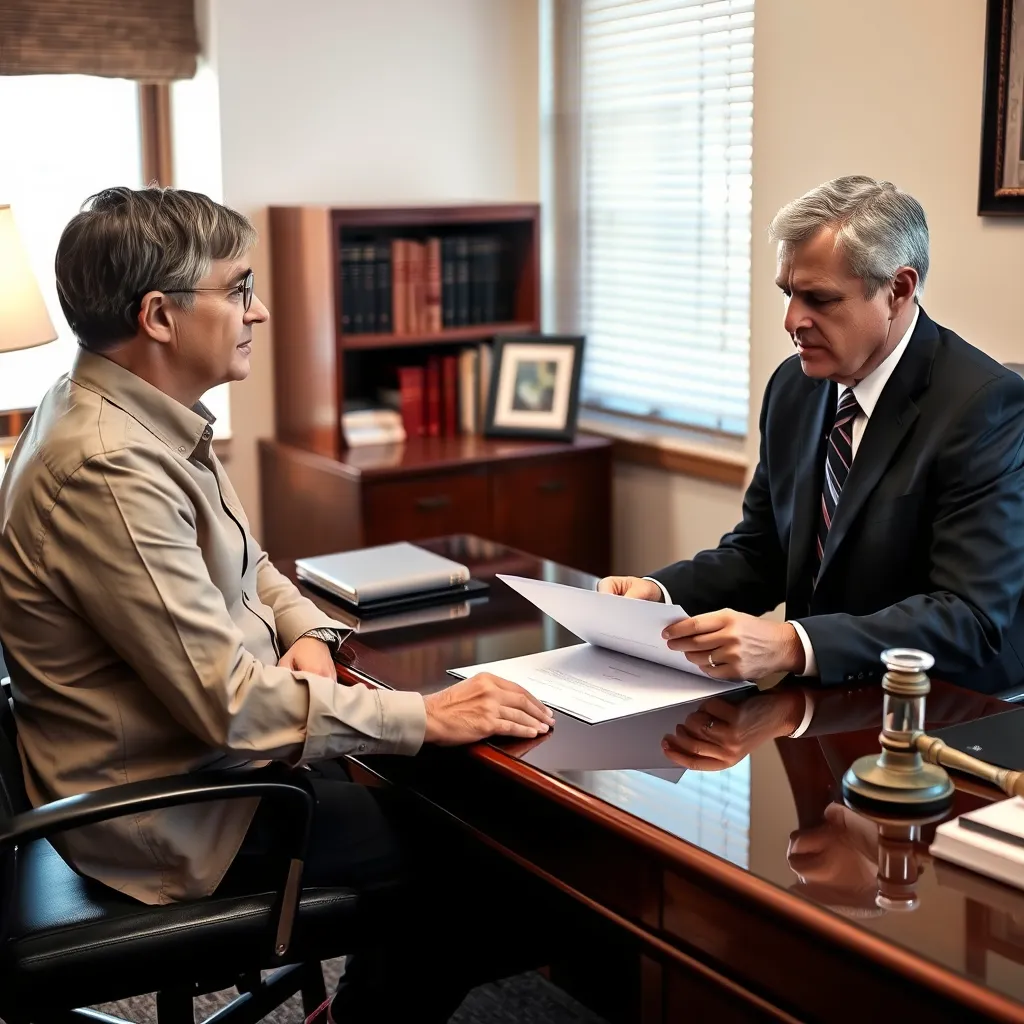
Permanent Alimony Lawyer Manassas, VA
You worked for years to build a life in Manassas—raising children, managing a household, and supporting your spouse’s career. Now the marriage is ending, and you are facing a future without the financial stability you once relied on. You need to know whether Virginia law will provide permanent spousal support, and you need an attorney who understands how the courts in the Thirty-first Judicial District handle these claims. Mr. Sris and his Of Counsel team concentrate in family law matters in Manassas and throughout Northern Virginia. Reach Law Offices Of SRIS, P.C. at (888) 437-7747 to schedule a consultation. Law Offices Of SRIS, P.C. — Advocacy Without Borders.
What Permanent Alimony Means in Manassas, Virginia
Permanent alimony—also called indefinite spousal support—is financial maintenance that continues without a predetermined end date. Virginia courts may award it in a long marriage where one spouse cannot become self-supporting due to age, health, or a significant disparity in earning capacity. The Circuit Court for the City of Manassas, located at 9311 Lee Avenue, Suite 230, has exclusive jurisdiction over divorce actions including equitable distribution and spousal support determinations. The court weighs 13 statutory factors under Va. Code § 20-107.1, considering everything from the duration of the marriage to the standard of living established during the union.
Because Virginia is an equitable distribution state rather than a community-property state, property division and spousal support are separate but interrelated. The court first classifies and divides marital assets, then determines whether a support award is necessary and, if so, whether it should be permanent. A spouse who gave up a career to support the family may be entitled to indefinite support after a marriage of significant length. The judge in Manassas Circuit Court will look closely at the requesting spouse’s vocational history, health, age, and the time it would take to acquire any missing skills.
How Mr. Sris and His Of Counsel Team Handle Permanent Alimony Cases
Representing either the spouse who seeks permanent support or the spouse who may be ordered to pay it requires a clear-eyed assessment of the statutory factors. Early in the case, Mr. Sris and his Of Counsel gather financial documentation—tax returns, pay stubs, retirement account statements, and evidence of the couple’s lifestyle—to construct a factual picture that aligns with the 13 statutory factors. For the supported spouse, the focus is on demonstrating need and the inability to achieve self-sufficiency; for the paying spouse, the goal is often to show that the other party can be rehabilitated through education or job training, or that permanent support is disproportionate to the circumstances.
When the parties cannot agree, the matter proceeds to a contested hearing in Manassas Circuit Court. Witness testimony, vocational evaluations, and sometimes experienced attorney financial analysis come into play. The court may award temporary support pendente lite while the divorce is pending, then decide permanent alimony in the final decree. Mr. Sris and his Of Counsel work to present the evidence that the judge needs to reach a fair determination, while negotiating settlement possibilities where feasible.
About Mr. Sris and His Of Counsel Team
Mr. Sris, Owner and Founder of Law Offices Of SRIS, P.C., has practiced family law in Virginia since 1997. His background includes testimony before the Virginia House Courts of Justice Committee in support of 2019 HB 635 (chief patron Del. David Bulova), a bill that revised the equitable-distribution statute. Mr. Sris and his Of Counsel team bring over 120 years of combined legal experience. Results may vary. The firm has documented 4,739+ results.
Frequently Asked Questions
What is the difference between permanent alimony and rehabilitative alimony in Virginia?
Permanent alimony—indefinite spousal support—continues until the death of either party, the remarriage of the recipient, or a court order terminating it. Rehabilitative alimony, by contrast, is awarded for a fixed period to allow a spouse to obtain education or training and re-enter the workforce. The court looks at the factors in Va. Code § 20-107.1 to decide which type is appropriate.
Can permanent alimony be modified after a divorce in Manassas?
Yes, if there has been a material change in circumstances. A reduction in income, loss of a job, serious illness, or cohabitation in a relationship analogous to marriage can all justify modifying a spousal support order. The court re-examines the original statutory factors in light of the new facts. Modification requests are filed in the same circuit court that entered the original decree.
How long must a marriage last for a Virginia court to award permanent alimony?
No fixed number of years triggers permanent support. However, courts tend to consider it in marriages of long duration—often ten years or more—where the requesting spouse has been out of the workforce for a significant period or has a health condition that limits future earning. The decision is always fact-specific and guided by the 13 factors in Va. Code § 20-107.1.
Do I need a lawyer for a permanent alimony case in Manassas?
You are not required to have an attorney, but spousal support disputes involve complex financial analysis and statutory interpretation. The court must weigh multiple factors, and a mistake in presenting evidence can affect the outcome for years. Mr. Sris and his Of Counsel are experienced in these matters and appear regularly in Manassas Circuit Court.
How does the court calculate the amount of permanent alimony in Virginia?
There is no simple formula. The judge starts with the needing spouse’s reasonable expenses and the paying spouse’s ability to pay, then adjusts based on the standard of living during the marriage, the length of the marriage, each spouse’s contributions, and the other statutory factors. The award is meant to be fair under the specific circumstances, not a fixed percentage of income.
What should I bring to my first consultation about permanent alimony?
Bring tax returns for the past three years, recent pay stubs, a list of monthly living expenses, retirement account statements, and any relevant medical records if health is a factor. A timeline of the marriage—including periods of unemployment or time spent as a homemaker—is also helpful. For a consultation, reach Mr. Sris and his Of Counsel at (888) 437-7747.
Fairfax County family law representation · Prince William County family law · Manassas Park family law · Falls Church family law
Virginia Code § 20-107.1 — spousal support factors · Manassas Circuit Court · Virginia Judicial System
Attorney advertising. Prior results do not guarantee a similar outcome. Case results depend on a variety of factors unique to each case. Results may vary.