
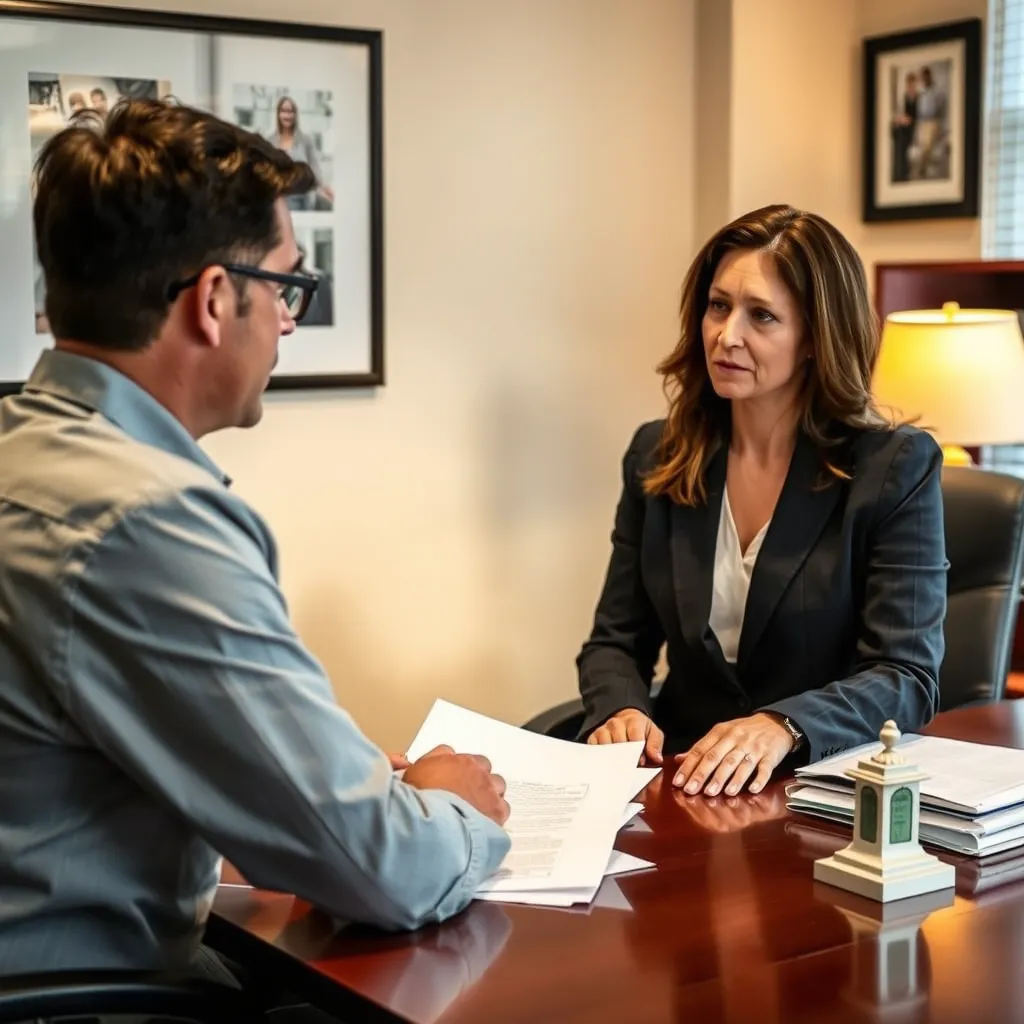
Kinship Adoption Lawyer Manassas, VA
Kinship adoption allows a relative—a grandparent, aunt, uncle, adult sibling, or another close family member—to become a child’s legal parent when the biological parents are unable or unwilling to care for the child. In Manassas, Virginia, these cases proceed through the Manassas (City) Circuit Court or the Manassas (City) Juvenile and Domestic Relations District Court, depending on the specific circumstances of the case. Mr. Sris, Owner and Founder of Law Offices Of SRIS, P.C., and his Of Counsel team assist families throughout the Manassas area with kinship adoptions, guiding them through the statutory requirements under Virginia law, preparing the necessary petitions, and representing their interests at every stage of the court process. Whether you are seeking to formalize an existing caretaking arrangement or are responding to a child welfare intervention, experienced counsel can help ensure the adoption is handled correctly the first time. To discuss your situation with a lawyer, reach Law Offices Of SRIS, P.C. at (888) 437-7747. Law Offices Of SRIS, P.C. – Advocacy Without Borders.
What Kinship Adoption Means in Manassas
Kinship adoption in Virginia is governed by Va. Code § 63.2-1200 et seq. It provides a legal pathway for a relative to assume all parental rights and responsibilities for a child, permanently severing the biological parents’ legal ties. Unlike foster care or guardianship, adoption is irrevocable. When a kinship adoption is finalized, the adoptive parent—often a grandparent or other close relative—becomes the child’s legal parent for all purposes, including inheritance, health insurance, and educational decision-making. In Manassas, these cases most commonly arise when a parent is incarcerated, struggling with substance use, or otherwise unable to provide a stable home, and a family member steps in to care for the child.
The court with jurisdiction over the adoption depends on the posture of the case. The Manassas (City) Circuit Court, located at 9311 Lee Avenue, Suite 230, Manassas, Virginia 20110, has authority to issue the final adoption decree. The Manassas (City) Juvenile and Domestic Relations District Court may handle preliminary matters such as custody, support, or protective orders involving the child. Throughout the process, the court’s primary consideration is the best interests of the child, and it will review whether the proposed adoptive home is safe and suitable, whether consent has been properly obtained or is unnecessary under Virginia law, and whether all statutory steps have been followed. Mr. Sris and his Of Counsel appear in both the Circuit Court and the Juvenile and Domestic Relations District Court for Manassas kinship adoption matters.
How Mr. Sris and His Of Counsel Handle Kinship Adoption Cases
Adoption is a statutory process with precise requirements. A petition must be filed in the correct court, all required consents must be gathered or the grounds for dispensing with consent must be pleaded, a home study is required in nearly every case, and the petitioner must demonstrate fitness to parent. Mr. Sris and his Of Counsel manage each of these steps. They begin by evaluating the family’s situation to confirm that kinship adoption is the appropriate legal remedy—as opposed to custody or guardianship—and then build the case file, communicating with social services agencies, gathering documentation, and preparing the petition and supporting affidavits. If a biological parent is unwilling to consent, the legal team evaluates whether the court can proceed without consent under the applicable statutory grounds, such as abandonment or the parent’s incapacity to care for the child.
The legal team at Law Offices Of SRIS, P.C. also represents clients at the required court hearings. The judge will review the home study, any background checks, the consent documents, and the child’s circumstances before entering the final order of adoption. Mr. Sris and his Of Counsel prepare the adoptive family for what to expect in court, present the petition to the judge, and address any questions or objections raised by the court or other parties. Over 120 years of combined legal experience between Mr. Sris and his Of Counsel and 4,739+ documented firm-wide results inform the firm’s approach, helping families proceed with confidence. Results may vary.
About Mr. Sris and His Of Counsel Team
Mr. Sris is Owner and Founder of Law Offices Of SRIS, P.C., a multi-state law firm practicing in Virginia, Maryland, the District of Columbia, New Jersey, and New York. A former prosecutor, Mr. Sris founded the firm in 1997 and has concentrated his practice on complex family law matters, including adoption, for decades. His legislative experience includes testimony before the Virginia House Courts of Justice Committee in support of 2019 HB 635 (chief patron Del. David Bulova). Mr. Sris is admitted to practice in Virginia, Maryland, the District of Columbia, New Jersey, and New York.
Working alongside Mr. Sris is his Of Counsel team—attorneys with backgrounds that include criminal prosecution, law enforcement, CPS and child welfare contract work, and academic research in negotiation and communication. Each Of Counsel is a non-employee attorney engaged through Excella. Together, Mr. Sris and his Of Counsel bring over 120 years of combined legal experience and 4,739+ documented firm-wide results to family law and adoption cases. Results may vary.
Frequently Asked Questions
What is kinship adoption in Virginia?
Kinship adoption is a legal process under Virginia Code § 63.2-1200 et seq. Through which a relative becomes a child’s permanent legal parent. It differs from custody or guardianship because it permanently severs the biological parents’ legal rights and establishes the adoptive relative as the child’s parent for all legal purposes, including inheritance and decision-making authority. The court must find that the adoption is in the child’s best interests, and the petitioner must meet all statutory requirements, including a home study and proper consent or grounds for dispensing with consent.
Who can pursue a kinship adoption in Manassas, Virginia?
Close relatives such as grandparents, aunts, uncles, adult siblings, and sometimes stepparents may petition for kinship adoption. The proposed adoptive parent must be at least eighteen years old, demonstrate fitness and the ability to provide a stable home, and satisfy Virginia’s residency and jurisdictional requirements. The child must be legally free for adoption—meaning parental rights have been voluntarily relinquished, terminated, or are subject to statutory grounds for proceeding without consent.
How does the kinship adoption process work in the Manassas courts?
The process begins with the filing of a petition in the Manassas (City) Circuit Court. If preliminary custody or support orders are needed, those may be addressed in the Manassas Juvenile and Domestic Relations District Court. After the petition is filed, the court orders a home study conducted by a licensed child-placing agency or the local department of social services. Consents are obtained from the biological parents and the child if over a certain age, or a motion is filed to dispense with consent. Once all requirements are met, a final hearing is scheduled. The judge reviews the evidence and, if satisfied, enters the final order of adoption. The timeline varies depending on court scheduling, the complexity of consent issues, and the completion of the home study.
Do I need a lawyer for a kinship adoption in Virginia?
While a person can represent themselves in an adoption proceeding, having an experienced attorney can help avoid procedural errors that could delay or jeopardize the finalization of the adoption. Virginia’s adoption statutes require strict compliance with notice, consent, and documentation requirements. An attorney can prepare the petition, coordinate the home study, address contested consent issues, and present the case to the court. For guidance on your specific situation, reach Law Offices Of SRIS, P.C. at (888) 437-7747.
What if a biological parent objects to the kinship adoption?
If a biological parent does not consent, the adoption cannot proceed unless the court finds that consent is not required under Virginia law. Grounds for dispensing with consent may include abandonment, the parent’s incapacity to care for the child, or the parent’s failure to maintain contact with the child for a period of time. The court will hold a hearing to consider evidence on whether consent should be excused. Mr. Sris and his Of Counsel can evaluate the facts and present the necessary argument to the court. Each case turns on its specific circumstances.
How long does a kinship adoption take in Manassas?
The timeframe for a kinship adoption varies based on the court’s docket, the completion of the home study, and whether consents are contested. In an uncontested case where all parties cooperate, the matter may move forward more quickly. Contested consent issues or the need for additional hearings can extend the timeline. Working with counsel can help keep the case moving efficiently through the court process. To discuss the details of your matter, contact Law Offices Of SRIS, P.C. at (888) 437-7747.
Explore our family law resources in neighboring jurisdictions:
Fairfax County Family Law · Prince William County Family Law · Manassas Park Family Law · Fairfax City Family Law · Falls Church Family Law
Additional resources:
Virginia Code Title 63.2 (Adoption) · Manassas Circuit Court · Virginia Judicial System
Attorney advertising. Prior results do not guarantee a similar outcome.
Case results depend on a variety of factors unique to each case.
Results may vary.