
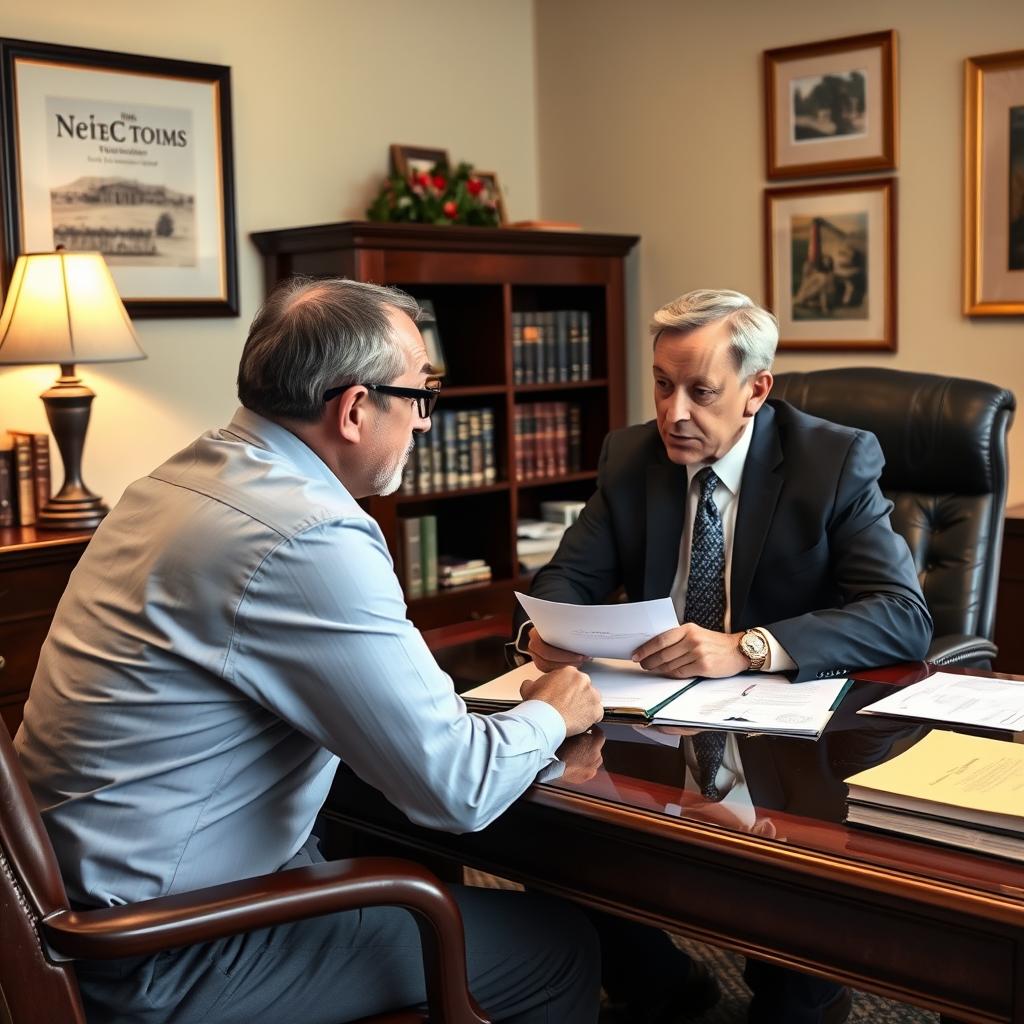
Corporate Bylaws Lawyer Rappahannock County
You need a Corporate Bylaws Lawyer Rappahannock County to draft or amend your company’s governing rules. Virginia corporate law is precise and errors create liability. Law Offices Of SRIS, P.C.—Advocacy Without Borders. provides this essential service. Our attorneys draft bylaws that comply with Virginia Code and protect your interests. We serve business clients throughout Rappahannock County. (Confirmed by SRIS, P.C.)
Statutory Definition of Corporate Bylaws in Virginia
Virginia Code § 13.1-624 governs corporate bylaws, classifying them as mandatory internal governance documents with no statutory penalty for non-compliance, but operational penalties are severe. This statute provides the framework for what your bylaws must contain and how they are adopted. A Corporate Bylaws Lawyer Rappahannock County uses this code to build a legally sound operational manual for your corporation. The law gives corporations broad latitude to define their own internal rules, but those rules must not conflict with Virginia’s Stock Corporation Act. Failure to have proper bylaws can invalidate corporate actions and pierce the corporate veil. This exposes shareholders to personal liability for business debts. Your bylaws are the contract between the corporation, its directors, and its shareholders.
Bylaws detail procedures for shareholder meetings, director elections, and officer duties. They establish voting rights, quorum requirements, and committee structures. Virginia law requires bylaws to address certain core governance matters. These include the issuance of stock certificates and the indemnification of directors and officers. A corporate governance documents lawyer Rappahannock County ensures these mandatory provisions are correctly included. The initial bylaws are adopted by the incorporators or the initial board of directors. Amendments typically require a vote by the board of directors or the shareholders. The specific amendment process is itself defined within the existing bylaws. This creates a self-referential legal structure that must be carefully drafted.
What specific items must Virginia corporate bylaws address?
Virginia bylaws must define the time and place of annual shareholder meetings. They must outline the process for calling special meetings of shareholders or directors. The bylaws must specify the number of directors or a variable range for the board. They must establish the titles and duties of corporate officers like President and Treasurer. The document must also set forth the method for authorizing contracts and loans. A bylaws drafting lawyer Rappahannock County integrates these requirements with your business’s practical needs.
How do bylaws interact with a corporation’s articles of incorporation?
Bylaws provide the detailed operating rules under the authority of the articles. The articles of incorporation are filed with the State Corporation Commission. Bylaws are an internal document not filed with the state. Bylaws cannot contain provisions that contradict the articles of incorporation. If a conflict exists, the articles of incorporation control. Your corporate attorney must ensure perfect alignment between these two foundational documents.
Who has the legal authority to adopt or amend corporate bylaws?
The incorporators or initial board of directors adopt the first bylaws. After adoption, the power to amend usually rests with the shareholders. The Virginia Code also permits the board of directors to amend bylaws unless the articles or initial bylaws reserve that power for shareholders. Well-drafted bylaws clearly delineate this amendment authority. This prevents disputes over governance changes during business growth or ownership transitions.
The Insider Procedural Edge in Rappahannock County
Corporate governance matters for Rappahannock County businesses are primarily administrative but can lead to litigation in the Rappahannock County Circuit Court, located at 120 Gay Street, Washington, VA 22747. While bylaws disputes are often resolved internally, shareholder derivative suits or breach of fiduciary duty claims end up here. The procedural timeline for such litigation is measured in months, not days. Filing fees for civil actions in this court are set by Virginia statute and vary based on the type of pleading. Procedural specifics for Rappahannock County are reviewed during a Consultation by appointment at our Rappahannock County Location.
The local legal community is close-knit, and judges expect strict adherence to procedural rules. All corporate documents must be properly executed and evidenced in the corporate record book. The court will examine your bylaws for clarity and compliance with state law. Ambiguities in drafting are construed against the drafter, which can harm the corporation’s position. Having a lawyer familiar with this court’s expectations is a tangible advantage. SRIS, P.C. understands the formal requirements of the Rappahannock County Circuit Court. We prepare corporate documents with the foresight that they may one day be examined by a judge.
What is the typical cost for filing a civil action related to bylaws?
Filing fees for civil actions in Virginia circuit courts are mandated by state code. The cost to initiate a lawsuit typically starts at a base fee. Additional fees apply for various motions, garnishments, or other pleadings throughout the case. The exact fee structure should be confirmed with the Circuit Court Clerk’s Location. Your attorney will account for these costs when advising on litigation strategy.
How long does a corporate governance dispute case typically take?
A direct bylaws interpretation case can take several months to a year. Complex litigation involving multiple shareholders or claims of fraud takes longer. The court’s docket and the willingness of parties to negotiate affect the timeline. Early intervention by a skilled attorney can often resolve matters before a lengthy trial. SRIS, P.C. aims for efficient resolutions that preserve business relationships.
Penalties & Defense Strategies for Bylaws Deficiencies
The most common penalty for faulty bylaws is not a fine but personal liability for shareholders and directors. Operational and legal penalties stem from failing to follow corporate formalities. The table below outlines key risks.
| Offense | Penalty | Notes |
|---|---|---|
| Failure to Maintain Bylaws | Piercing Corporate Veil | Creditors can pursue shareholder personal assets. |
| Bylaws Violation by Director | Breach of Fiduciary Duty Claim | Shareholders can sue for damages. |
| Invalid Shareholder Meeting | Corporate Actions Voided | Elections, mergers, or sales can be overturned. |
| Inadequate Indemnification Clause | Directors/Officers Unprotected | Personal liability for legal costs from corporate service. |
[Insider Insight] Local prosecutors are not involved in civil corporate disputes. However, the Rappahannock County Circuit Court judges take corporate governance seriously. They will not tolerate sloppy record-keeping or self-dealing by insiders. The best defense is proactive, precise drafting by a knowledgeable corporate attorney. A second defense is careful adherence to the procedures your bylaws establish. Keep detailed minutes of all board and shareholder meetings. Document all major corporate decisions with written consents or resolutions. SRIS, P.C. helps clients implement these defensive practices from day one.
What are the financial risks of having poorly drafted bylaws?
Financial risks include the cost of defending against shareholder lawsuits. You risk the invalidation of critical business transactions like financing rounds. Insurance premiums for directors and officers may increase without proper indemnification. The ultimate financial risk is unlimited personal liability for corporate debts. Investing in proper legal drafting upfront mitigates these severe financial exposures.
Can I be sued personally if my corporation’s bylaws are invalid?
Yes, invalid or absent bylaws are evidence the corporation is a mere alter ego. This is a primary factor courts consider when “piercing the corporate veil.” Once the veil is pierced, your personal home, savings, and other assets are at risk. A creditor or lawsuit plaintiff can seek judgment against you individually. Proper bylaws are your first line of defense against this threat.
Why Hire SRIS, P.C. for Your Corporate Bylaws
Our strongest attorney credential is our focused experience in Virginia corporate law and local practice. SRIS, P.C. has a dedicated business law team that understands Rappahannock County’s commercial environment.
Our attorneys bring direct experience drafting and litigating corporate governance documents. We analyze your business model to create specific, functional bylaws. Our team stays current with revisions to the Virginia Stock Corporation Act. We ensure your corporate shield remains intact against legal challenges.
We differentiate ourselves by providing direct access to your attorney. You will not be handed off to a paralegal for critical drafting decisions. Our approach is practical and aimed at preventing future disputes. We have assisted numerous Rappahannock County businesses, from family farms to tech startups, in establishing sound corporate foundations. Our goal is to make your bylaws a tool for smooth operation, not a source of conflict. For support with related matters, our Virginia family law attorneys can assist with ownership transitions during life events.
Localized FAQs for Rappahannock County Businesses
Where are corporate bylaws filed in Virginia?
Corporate bylaws are not filed with any state agency in Virginia. They are internal documents kept at the corporation’s principal Location. The Articles of Incorporation are filed with the State Corporation Commission. Your bylaws must be consistent with those filed Articles.
Do I need a lawyer to draft corporate bylaws in Rappahannock County?
While not legally required, using a lawyer is strongly advised. Generic templates often lack Virginia-specific mandatory clauses. A lawyer tailors bylaws to your ownership structure and business risks. This protects your personal assets from corporate liabilities.
What is the difference between bylaws and an operating agreement?
Bylaws govern corporations, while operating agreements govern Limited Liability Companies (LLCs). Both are internal governance documents. The structure, default rules, and tax implications differ significantly between entities. Choose the right entity and document with legal counsel.
Can corporate bylaws be changed after the company is formed?
Yes, bylaws can and often should be amended as a business grows. The amendment process is defined within the existing bylaws itself. Typically, it requires a vote by shareholders or the board of directors. Amendments should be documented in writing and added to the corporate record book.
What happens if my corporation operates without formal bylaws?
Your corporation defaults to the generic rules in the Virginia Stock Corporation Act. These default rules may not suit your business. More critically, it demonstrates a failure to observe corporate formalities. This failure can lead to a court stripping away your liability protection.
Proximity, CTA & Disclaimer
Our Rappahannock County Location serves clients throughout the region. We are accessible to businesses in Washington, Sperryville, and Flint Hill. The Rappahannock County Circuit Court is a central landmark for legal proceedings. Consultation by appointment. Call 703-278-0405. 24/7. For other legal challenges, our team provides criminal defense representation and DUI defense in Virginia. Learn more about our experienced legal team. SRIS, P.C. – Advocacy Without Borders. 120 Gay Street, Washington, VA 22747.
Past results do not predict future outcomes.