
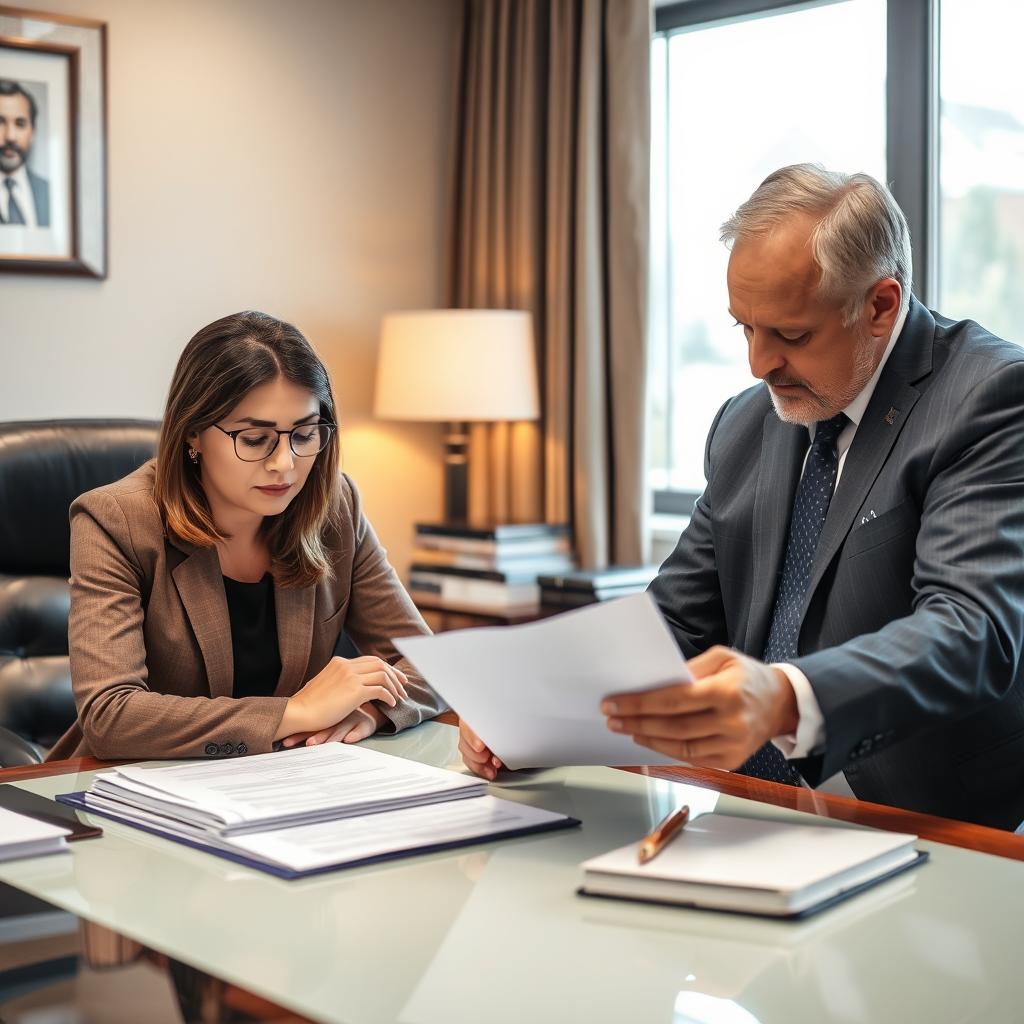
Licensing Lawyer Falls Church
A Licensing Lawyer Falls Church handles the legal creation, negotiation, and enforcement of contracts that grant rights to intellectual property or other assets. Law Offices Of SRIS, P.C. —Advocacy Without Borders. provides focused counsel on drafting, compliance, and litigation for license agreements in Virginia. Our Falls Church Location offers direct access to attorneys who understand local business courts and state contract law. (Confirmed by SRIS, P.C.)
Statutory Definition of Licensing Agreements in Virginia
Virginia contract law, primarily under the Virginia Uniform Commercial Code (Va. Code Ann. § 8.2A-101 et seq.) for goods and common law for other assets, governs licensing agreements, classifying breaches as civil matters with remedies including damages and injunctive relief. While not a criminal statute, a poorly drafted or breached license agreement can lead to significant financial loss and court-ordered actions. The legal framework in Virginia emphasizes the intent of the parties and the enforceability of contract terms. A Licensing Lawyer Falls Church must handle these principles to protect intellectual property rights and business interests. The consequences of a bad agreement are measured in dollars and lost opportunities, not jail time.
Licensing involves granting permission to use property you own, most commonly intellectual property like patents, copyrights, or trademarks. In Falls Church, these agreements are vital for software companies, franchises, and creative professionals. Virginia law treats these contracts as binding legal documents. The court will interpret the plain language of the agreement. Ambiguity in a contract is construed against the party who drafted it. This makes precise drafting by a license agreement lawyer Falls Church non-negotiable. A single vague clause can invalidate key protections or lead to costly litigation.
What are the key clauses in a Virginia license agreement?
The grant of rights clause defines exactly what is being licensed. This clause must specify the scope, territory, and exclusivity of the license. A non-exclusive license allows the licensor to grant rights to others. An exclusive license grants rights solely to one licensee. The duration and termination terms set the agreement’s lifespan and exit conditions. Payment terms, including royalties, upfront fees, and audit rights, must be clear. An intellectual property licensing lawyer Falls Church ensures these clauses are airtight and aligned with Virginia law.
How does Virginia law handle breach of a licensing contract?
Virginia courts provide remedies for material breach of contract. The non-breaching party can sue for monetary damages to cover lost profits or royalties. In cases involving intellectual property, the court may issue an injunction. An injunction is a court order to stop the infringing activity immediately. Specific performance, forcing a party to fulfill the contract, is also a potential remedy. Proving a breach requires demonstrating the existence of a valid contract and a failure to perform. A Licensing Lawyer Falls Church builds this evidence from the agreement’s terms and the parties’ conduct.
What is the difference between licensing and assigning rights?
A license is a permission to use property; an assignment is a transfer of ownership. Licensing is typically temporary and limited in scope. Assigning rights permanently transfers those rights to another party. In Virginia, assignments often require specific formalities to be valid. Choosing between the two has major long-term implications for your control over the asset. A license agreement lawyer Falls Church advises on which structure meets your commercial goals while retaining necessary protections.
The Insider Procedural Edge in Falls Church Courts
The General District Court of Falls Church, located at 300 Park Avenue, Falls Church, VA 22046, handles civil claims for breaches of license agreements under $25,000. For larger disputes, cases proceed to the Fairfax County Circuit Court. The procedural timeline in Falls Church moves quickly once a warrant in debt or civil claim is filed. You typically have 21 days to file a responsive pleading after being served. Missing this deadline can result in a default judgment against you. Filing fees vary based on the amount in controversy. Procedural specifics for Falls Church are reviewed during a Consultation by appointment at our Falls Church Location.
Local court rules demand strict adherence to filing deadlines and formatting. The Falls Church court docket is busy, and judges expect preparedness. All exhibits, including the executed license agreement and correspondence, must be properly organized. Mediation is often encouraged by the court before a trial date is set. Having a lawyer who knows the clerks and the local procedures prevents avoidable errors. These errors can delay your case or weaken your position. SRIS, P.C. attorneys are familiar with the rhythms of this Virginia court. Learn more about Virginia legal services.
What is the typical timeline for a licensing dispute lawsuit?
A civil lawsuit for breach of contract can take several months to over a year to resolve. The initial filing and service of process phase takes a few weeks. The discovery period, for exchanging evidence, can last 3-6 months. Pre-trial motions and potential mediation add additional time. If the case goes to trial, scheduling depends on the court’s calendar. A fast resolution often depends on the strength of the initial contract and the evidence. An intellectual property licensing lawyer Falls Church can often negotiate a settlement before full litigation.
How much are the court filing fees in Falls Church?
Filing fees in Virginia General District Court are based on the claim amount. For a claim under $500, the fee is approximately $51. Claims between $500 and $2,000 have a fee of around $62. For claims from $2,000 up to the $25,000 limit, the fee is roughly $82. These fees are paid to the court clerk when the lawsuit is initiated. There are additional costs for serving the defendant and for trial fees. These costs are generally recoverable if you prevail in your lawsuit.
Penalties & Defense Strategies for Licensing Issues
The most common penalty in a licensing dispute is a monetary judgment for damages, often calculated as lost royalties or profits. The court’s goal is to put the injured party in the position they would have been in had the contract been performed. Penalties are not criminal but are enforced by the court’s power.
| Offense / Breach | Penalty / Remedy | Notes |
|---|---|---|
| Failure to Pay Royalties | Judgment for owed amount + interest | Interest accrues from date payment was due under Virginia law. |
| Use Outside Licensed Scope | Injunction + Damages for Infringement | Court order to cease use; damages based on unauthorized use value. |
| Early Termination Violation | Liquidated Damages or Lost Profit Award | Contract may specify a fee; otherwise, court calculates losses. |
| Misuse of Licensed IP | Statutory Damages (if applicable) + Legal Fees | Copyright or trademark misuse can trigger statutory damages. |
[Insider Insight] Falls Church and Fairfax County prosecutors do not handle civil licensing disputes. However, local judges in the General District Court see many business contract cases. They tend to enforce the plain terms of written agreements. Judges have little patience for parties who ignore clear contractual obligations. They also scrutinize claims for damages, requiring solid proof of actual loss. Having a lawyer who can present a clear, evidence-based case is critical in this jurisdiction.
Defense strategies begin with the contract itself. A strong defense argues that the other party breached first, excusing your performance. Another strategy is to prove the license agreement was void due to fraud or mistake. We also challenge the calculation of alleged damages as speculative. In many cases, the best defense is a well-drafted agreement that minimizes ambiguity from the start. A license agreement lawyer Falls Church from SRIS, P.C. builds defenses based on Virginia contract law and the specific facts.
Can a licensing dispute affect my business license?
A civil lawsuit over a contract does not directly affect your Virginia business license. However, a large monetary judgment can impact your business’s financial health. If the judgment leads to insolvency, it may indirectly affect licensing. also, if the dispute involves allegations of fraud or illegal activity, separate regulatory issues could arise. The core licensing dispute is a private civil matter between the contracting parties. Learn more about criminal defense representation.
What are the long-term business impacts of a bad judgment?
A public judgment can damage your business’s credit rating and reputation. It becomes part of the public court record. Future partners or lenders may discover it during due diligence. It can also establish a legal precedent in ongoing business relationships. The financial strain of paying a judgment can limit growth and operations. Resolving disputes favorably, or better yet preventing them, protects your business’s future in Falls Church.
Why Hire SRIS, P.C. for Licensing Law in Falls Church
Bryan Block, a former Virginia State Trooper, applies his investigative precision to dissecting license agreements and building evidence for litigation. His background in law enforcement translates to a careful, detail-oriented approach for clients in Falls Church. He understands how to construct a factual record that withstands scrutiny in Virginia courts.
Bryan Block
Former Virginia State Trooper
Focus: Contract Litigation & Business Disputes
Direct line to our Falls Church Location.
SRIS, P.C. has secured favorable outcomes in numerous Virginia business disputes. Our approach is direct and strategic. We draft licenses to prevent problems and litigate aggressively when breaches occur. The firm’s structure allows for collaboration between our our experienced legal team in business law and related fields. We know the local courts and the judges who preside in them. For a license agreement lawyer Falls Church, local knowledge combined with substantive legal skill is essential. We provide Advocacy Without Borders from our Falls Church Location.
Localized FAQs for Falls Church Licensing
What does a licensing lawyer in Falls Church do?
A licensing lawyer drafts, reviews, and negotiates contracts that grant rights to use property. They also enforce agreements through litigation in Virginia courts if a breach occurs. They protect intellectual property and business interests.
How much does it cost to hire a licensing attorney?
Costs vary based on complexity, from flat fees for drafting to hourly rates for litigation. A direct agreement review may cost a set fee. Complex disputes involve more hours and higher total costs. Learn more about DUI defense services.
What is the most common mistake in DIY license agreements?
The most common mistake is vague language defining the scope of rights granted. Ambiguity leads to disputes over what is permitted. Virginia courts interpret unclear terms against the drafter.
Can I sue for breach of a verbal licensing agreement?
Some verbal contracts are enforceable in Virginia, but they are difficult to prove. The statute of frauds requires written contracts for agreements that cannot be performed within a year. Always get it in writing.
How long does a licensing lawsuit take in Virginia?
A lawsuit can take from several months to over a year. Timeline depends on court schedules, case complexity, and whether settlement talks occur. The discovery phase often consumes the most time.
Proximity, CTA & Disclaimer
Our Falls Church Location is centrally positioned to serve clients across Northern Virginia. We are accessible for meetings to discuss your licensing needs. Consultation by appointment. Call 703-278-0405. 24/7.
Law Offices Of SRIS, P.C.
Falls Church, Virginia
Phone: 703-278-0405
Past results do not predict future outcomes.