
Adultery Divorce Lawyer Prince William County, VA
If you have discovered evidence of adultery in your marriage, you may be entitled to an immediate divorce in Virginia without the mandatory waiting period. In Prince William County, a divorce on the grounds of adultery is a fault-based proceeding that can affect spousal support and property division. Mr. Sris, Owner and Founder of Law Offices Of SRIS, P.C., brings over 28 years of legal experience to adultery divorce cases. Together with his Of Counsel team, the firm provides over 120 years of combined legal experience and 4,739+ documented firm-wide results. Results may vary. Our Fairfax location serves clients throughout Prince William County, including Manassas, Woodbridge, Dale City, Dumfries, Gainesville, Haymarket, Lake Ridge, and Occoquan. To request a confidential consultation, call (888) 437-7747. Law Offices Of SRIS, P.C. — Advocacy Without Borders.
Understanding Adultery Divorce in Prince William County, Virginia
Adultery is a fault ground for divorce under Va. Code § 20-91(1). When one spouse can prove the other engaged in extramarital sexual intercourse, the court may grant a divorce without imposing the usual separation period. The case is filed in the Prince William County Circuit Court, located at 9311 Lee Avenue, Suite 230, Manassas, VA 20110. The Prince William County Juvenile and Domestic Relations District Court handles related matters such as custody, visitation, child support, and protective orders. Virginia’s equitable distribution statute gives the court discretion to consider marital fault, including adultery, when dividing property and awarding spousal support.
Proving adultery requires clear and convincing evidence. Direct evidence is rare; circumstantial proof—such as opportunity, inclination, and corroborating testimony—is usually presented. Private investigators, electronic records, and witness statements often form the foundation of an adultery claim. A spouse who denies the allegations may raise defenses including condonation, recrimination, or insufficiency of the evidence. Because adultery can alter the financial outcome of a divorce, it is important to work with an attorney who is familiar with the evidentiary standards applied in the Prince William County Circuit Court.
How Mr. Sris and His Of Counsel Handle Adultery Divorce Cases
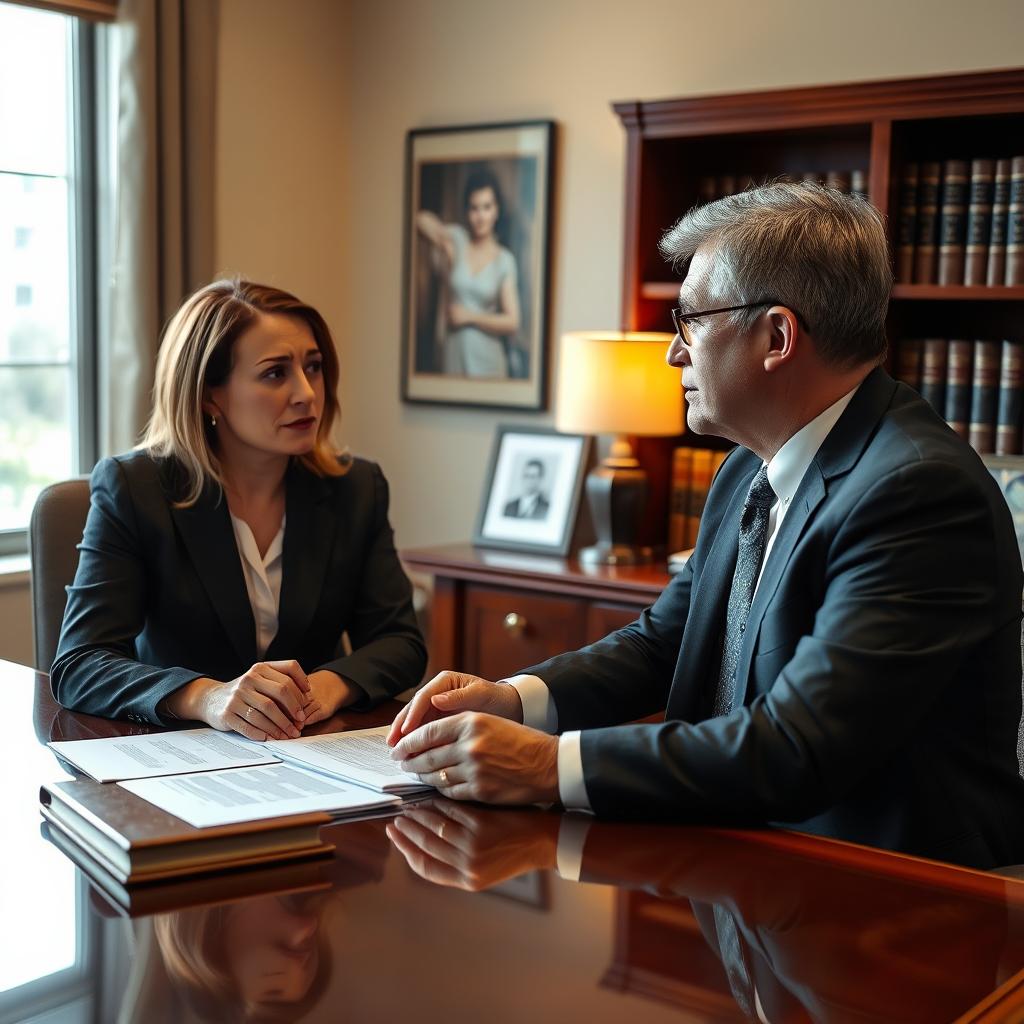
Mr. Sris and his Of Counsel begin with a full review of the marital circumstances. They assess the available evidence, explain the legal burdens, and advise on whether an adultery-based filing is strategically appropriate. If a settlement is possible, they negotiate property division and support terms that reflect the impact of marital fault. When no agreement can be reached, they prepare the case for trial, including discovery, witness preparation, and presentation of the evidence to the court.
Throughout the process, the team handles all procedural requirements: drafting the Complaint, managing discovery requests, addressing pendente lite issues such as temporary support and custody, and ensuring that every filing complies with the local rules of the Prince William County Circuit Court. The firm’s familiarity with the judges and procedures of the Thirty-first Judicial District informs case strategy without making any promises of a particular result. Every case is approached with discretion and thorough preparation.
About Mr. Sris and His Of Counsel Team
Mr. Sris, Owner and Founder of Law Offices Of SRIS, P.C., is a former prosecutor who has practiced law since 1997. He is admitted to practice in Virginia, Maryland, the District of Columbia, New Jersey, and New York. Mr. Sris testified before the Virginia House Courts of Justice Committee in support of 2019 HB 635 (chief patron Del. David Bulova). Together with his Of Counsel, the team brings over 120 years of combined legal experience and 4,739+ documented firm-wide results. Results may vary. The Of Counsel attorneys include former Maryland prosecutors, a former Virginia State Trooper, and litigators with extensive trial experience in family law and criminal defense. The collective experience allows the firm to handle adultery divorce matters from every angle—evidentiary challenges, valuation of marital property, and the impact of fault on support and custody.
Our Fairfax location at 4008 Williamsburg Court, Fairfax, VA 22032, serves Prince William County by appointment. To discuss your situation with Mr. Sris or a member of his team, call (888) 437-7747.
Frequently Asked Questions
What is adultery divorce in Virginia?
Adultery is a fault ground for divorce under Va. Code § 20-91(1). It allows the filing spouse to seek an absolute divorce without completing a separation period if clear and convincing evidence of extramarital sexual intercourse is presented. An adultery-based divorce can be filed immediately. The proceeding is heard in the circuit court, and the judge may consider the adultery when dividing marital assets and deciding whether to award spousal support. To discuss whether an adultery claim is viable in your situation, contact Law Offices Of SRIS, P.C. at (888) 437-7747.
How does adultery affect property division and alimony?
Virginia is an equitable distribution state, meaning the court divides marital property fairly but not necessarily equally. Under Virginia law, the court may consider marital fault, including adultery, as one factor among many. Adultery can reduce or eliminate a spouse’s entitlement to spousal support, particularly if the court finds the infidelity contributed to the breakdown of the marriage. For case-specific guidance, call (888) 437-7747.
Do I need direct evidence to prove adultery?
No. Direct evidence of adultery is not required. Courts accept circumstantial evidence showing both the inclination and opportunity to commit adultery. Common forms of proof include hotel records, text messages, emails, social media activity, and testimony from private investigators. The standard is clear and convincing evidence. Mr. Sris and his Of Counsel can evaluate the strength of your evidence and help you build a case that meets the evidentiary threshold.
Can I defend against allegations of adultery in a divorce?
Yes. A spouse accused of adultery may challenge the sufficiency of the evidence, present proof of condonation (the other spouse knew of and forgave the adultery and resumed marital relations), or argue recrimination (the accusing spouse also committed adultery). An experienced divorce attorney can examine the evidence, identify procedural weaknesses, and present defenses at trial. To request a consultation, reach Law Offices Of SRIS, P.C. at (888) 437-7747.
Do I need a lawyer for an adultery divorce in Prince William County?
You are not legally required to hire a lawyer, but an attorney helps you navigate the complex evidentiary rules, procedural requirements of the Prince William County Circuit Court, and the strategic decisions that affect property division and support. Mr. Sris and his Of Counsel bring over 120 years of combined experience and 4,739+ documented firm-wide results. Results may vary. To family law matters. For a consultation, call (888) 437-7747.
How do I schedule a consultation with a Prince William County adultery divorce lawyer?
Call Law Offices Of SRIS, P.C. at (888) 437-7747. In-person meetings are available by appointment at our Fairfax location, 4008 Williamsburg Court, Fairfax, VA 22032. A member of our team will discuss your circumstances, explain the options under Virginia law, and help you decide on the next steps. All communications are confidential.
For family law representation in nearby counties, visit:
- Fairfax County family law lawyer
- Arlington County family law lawyer
- Loudoun County family law lawyer
- Stafford County family law lawyer
- Fauquier County family law lawyer
For a full statutory analysis of Virginia divorce law, see our comprehensive guide on the main firm website.
Primary sources: Virginia Code Title 20 (Domestic Relations) | Prince William County Circuit Court
Attorney advertising. Prior results do not guarantee a similar outcome. Results may vary.
Case results depend on a variety of factors unique to each case.