
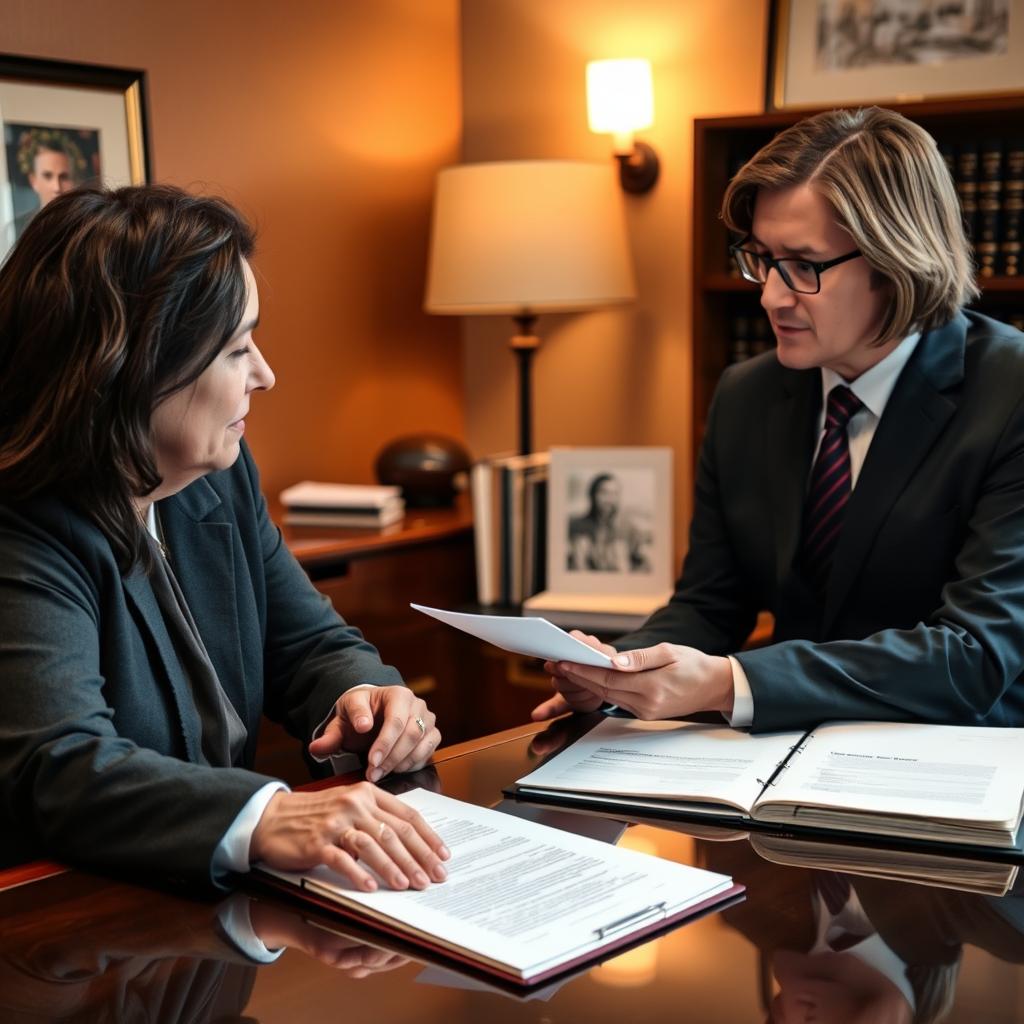
Charitable Trust Lawyer Fairfax, VA
A charitable trust can be a powerful estate-planning tool for individuals and families in Fairfax, Virginia who wish to support a charitable cause while also receiving tax benefits. Whether you are considering a charitable remainder trust, a charitable lead trust, or need guidance on the administration of an existing charitable trust, working with a lawyer who understands Virginia’s Uniform Trust Code and the probate procedures of the Fairfax County Circuit Court is essential. Law Offices Of SRIS, P.C., founded in 1997, concentrates its practice in trust and estate matters. Mr. Sris and the firm’s Of Counsel attorneys represent clients throughout Fairfax County and the surrounding Northern Virginia communities. To discuss your charitable trust goals, reach our firm at (888) 437-7747. Law Offices Of SRIS, P.C. – Advocacy Without Borders.
What Trust and Estate Means in Fairfax
Trust and estate law in Fairfax County is anchored by the Virginia Uniform Trust Code (Va. Code § 64.2-700 et seq.) and the Virginia Wills Act (§ 64.2-400 et seq.). The probate division of the Fairfax County Circuit Court, located at 4110 Chain Bridge Road, Fairfax, Virginia, handles the administration of decedents’ estates and the adjudication of trust disputes. Charitable trusts are formed under this statutory framework and must meet the same formalities as any other express trust: a settlor with capacity, a clearly stated charitable purpose, a trustee, and definite beneficiaries—here, a class of charitable beneficiaries rather than individual persons. Because Virginia no longer imposes a state estate tax, planning focuses on federal estate and gift tax considerations, including the use of charitable deductions to minimize tax exposure.
The Fairfax legal community includes attorneys and fiduciaries who regularly handle trust and estate work. The Fairfax County Circuit Court’s probate clerk administers the initial probate of wills and grants of administration, and circuit court judges hear contested matters. Mr. Sris and the firm’s Of Counsel attorneys are familiar with the local court practices, and they serve clients in Fairfax City, Burke, Centreville, Chantilly, Herndon, Reston, McLean, Vienna, Tysons, Oakton, Springfield, Annandale, Falls Church, and surrounding communities. For anyone creating or administering a charitable trust in this jurisdiction, having counsel experienced with the local court and with the substantive requirements of the Uniform Trust Code can help avoid procedural missteps.
How Mr. Sris and the Firm’s Of Counsel Attorneys Handle Trust and Estate Cases
When a client comes to Law Offices Of SRIS, P.C. to discuss a charitable trust, the process typically begins with a consultation to understand the client’s philanthropic goals, family circumstances, and overall estate plan. The firm’s attorneys review the client’s existing will, trust instruments, and beneficiary designations. They then draft the charitable trust document—whether it is a charitable remainder trust, a charitable lead trust, or a trust that combines charitable and non-charitable interests—in compliance with the Virginia Uniform Trust Code and the client’s tax objectives. The drafting process includes selecting the appropriate charitable beneficiary, determining the trust’s term, and addressing distribution provisions.
Once the trust is executed, the firm can assist the trustee with administration. This may include filing required tax forms, managing trust assets, and making distributions to charitable beneficiaries. If a dispute arises—for example, a challenge to the validity of the trust, allegations of trustee mismanagement, or a disagreement among co-trustees—the firm represents clients in Fairfax County Circuit Court. Litigation over charitable trusts often involves issues such as standing of the parties, the proper interpretation of trust language, and the duties of the trustee. Mr. Sris and the firm’s Of Counsel attorneys appear in circuit court proceedings and work to advance their clients’ interests while protecting the charitable intent of the trust.
About Mr. Sris and the Firm’s Of Counsel Attorneys
Mr. Sris is the Owner and Founder of Law Offices Of SRIS, P.C., which he established in 1997. A former prosecutor, Mr. Sris is admitted to practice in Virginia, Maryland, the District of Columbia, New Jersey, and New York. He appeared before the Virginia House Courts of Justice Committee to testify in support of 2019 HB 635 (chief patron Del. David Bulova), a measure that revised certain equitable-distribution provisions in Virginia’s family-law code and that reflects his engagement with the legislative process.
The firm’s Of Counsel attorneys bring extensive combined legal experience. Their collective backgrounds include service as a former state trooper and as a former prosecutor, providing insight into litigation dynamics. Together, Mr. Sris and the firm’s Of Counsel attorneys handle trust and estate matters from the drafting of trust documents through contested trust and estate litigation. Results may vary.
Frequently Asked Questions
What is a charitable trust in Virginia?
A charitable trust is a trust established to benefit one or more charitable organizations or the public generally, rather than private individuals, and it is governed by the Virginia Uniform Trust Code (Va. Code § 64.2-700 et seq.). A charitable trust must have a charitable purpose, which the courts interpret broadly—examples include trusts for the relief of poverty, advancement of education or religion, promotion of health, or other purposes beneficial to the community. Because the beneficiaries are indefinite, the Virginia Attorney General has standing to enforce the trust. Charitable trusts can take several forms, such as charitable remainder trusts (which pay income to a non-charitable beneficiary for a term, then distribute the remainder to charity) or charitable lead trusts (which pay income to a charity first, then the remainder to a non-charitable beneficiary). They also may be drafted as a split-interest trust or a pooled-income fund.
Do I need a lawyer to set up a charitable trust in Fairfax?
While there is no legal requirement to hire a lawyer to create a trust, working with an attorney who concentrates in Virginia trust and estate law helps ensure that the trust document complies with statutory formalities and tax rules. Charitable trusts must satisfy specific requirements to qualify for the federal charitable deduction, including the allowable beneficiaries, the timing of the charitable interest, and the proper valuation of the remainder interest. An attorney can also help integrate the charitable trust into your broader estate plan, coordinate beneficiary designations, and advise on alternatives such as a private foundation or a donor-advised fund. At Law Offices Of SRIS, P.C., Mr. Sris and the firm’s Of Counsel attorneys can help you weigh the options and draft the appropriate instrument.
How does a charitable trust benefit my estate plan?
A properly structured charitable trust can provide an immediate income-tax deduction for the present value of the charitable interest, remove assets from the taxable estate, and support a cause you care about. A charitable remainder trust, for instance, allows you to receive an income stream for life or for a term of years, with the remainder passing to charity. You receive an upfront charitable deduction based on the remainder value. The trust assets grow free of income tax inside the trust. A charitable lead trust, by contrast, pays an income stream to a charity for a term, with the remainder passing to your heirs at a potentially reduced transfer-tax cost. Both strategies can be designed to meet specific financial and philanthropic goals. The Virginia Uniform Trust Code provides the legal foundation, and the federal tax code (Sections 170, 664, and 2055) governs the tax treatment.
What happens if a charitable trust is disputed in Fairfax County?
If a charitable trust is challenged—for example, on grounds of lack of capacity, undue influence, or improper trustee conduct—the dispute is litigated in the Fairfax County Circuit Court, which has jurisdiction over trust and probate matters. The Virginia Attorney General is a necessary party in many charitable-trust actions because the charitable beneficiaries are not individually identifiable. The trustee or the settlor’s personal representative may need to petition the court for instructions, for the removal of a trustee, or for a construction of the trust’s terms. Mr. Sris and the firm’s Of Counsel attorneys handle trust and estate litigation, including actions to compel accountings, breach-of-fiduciary-duty claims, and will and trust contests. They can represent individual beneficiaries, trustees, or executors in these proceedings. The court will evaluate the evidence and apply Virginia law, including the Uniform Trust Code, to resolve the dispute.
How long does it take to administer a charitable trust after the settlor’s death?
The time needed to administer a charitable trust varies depending on the specific terms of the trust, the complexity of the assets, and whether any disputes arise. If the trust is straightforward and no litigation is involved, the trustee can typically distribute the charitable remainder or begin income payments within a period measured by the steps required—gathering and valuing assets, preparing any necessary federal estate-tax return (which is due nine months after death, though the timeline to complete all distributions may extend beyond that), and satisfying any creditor claims or other obligations. When disputes or valuation issues arise, the administration can take longer. Mr. Sris and the firm’s Of Counsel attorneys work to move the process forward efficiently while ensuring that the trustee complies with all legal requirements.
Can a charitable trust be modified?
Under the Virginia Uniform Trust Code, a charitable trust may be modified by the court under certain circumstances, such as upon change of circumstances or to achieve the settlor’s tax objectives, but the modification cannot defeat the charitable purpose. The settlor may also retain the power to amend a revocable charitable-trust-structured instrument during their lifetime. After the settlor’s death, modification generally requires court approval. The Virginia Attorney General is typically notified. If you are a trustee or beneficiary seeking to modify a charitable trust, or if you wish to create a trust with an amendment provision, legal guidance can help you understand the options and the procedural steps in Fairfax County Circuit Court.
Primary-source authority:
Virginia Code Title 64.2 (Wills, Trusts & Estates) ·
Fairfax County Circuit Court
Attorney advertising. Prior results do not guarantee a similar outcome.
Results may vary.
Case results depend on a variety of factors unique to each case.