
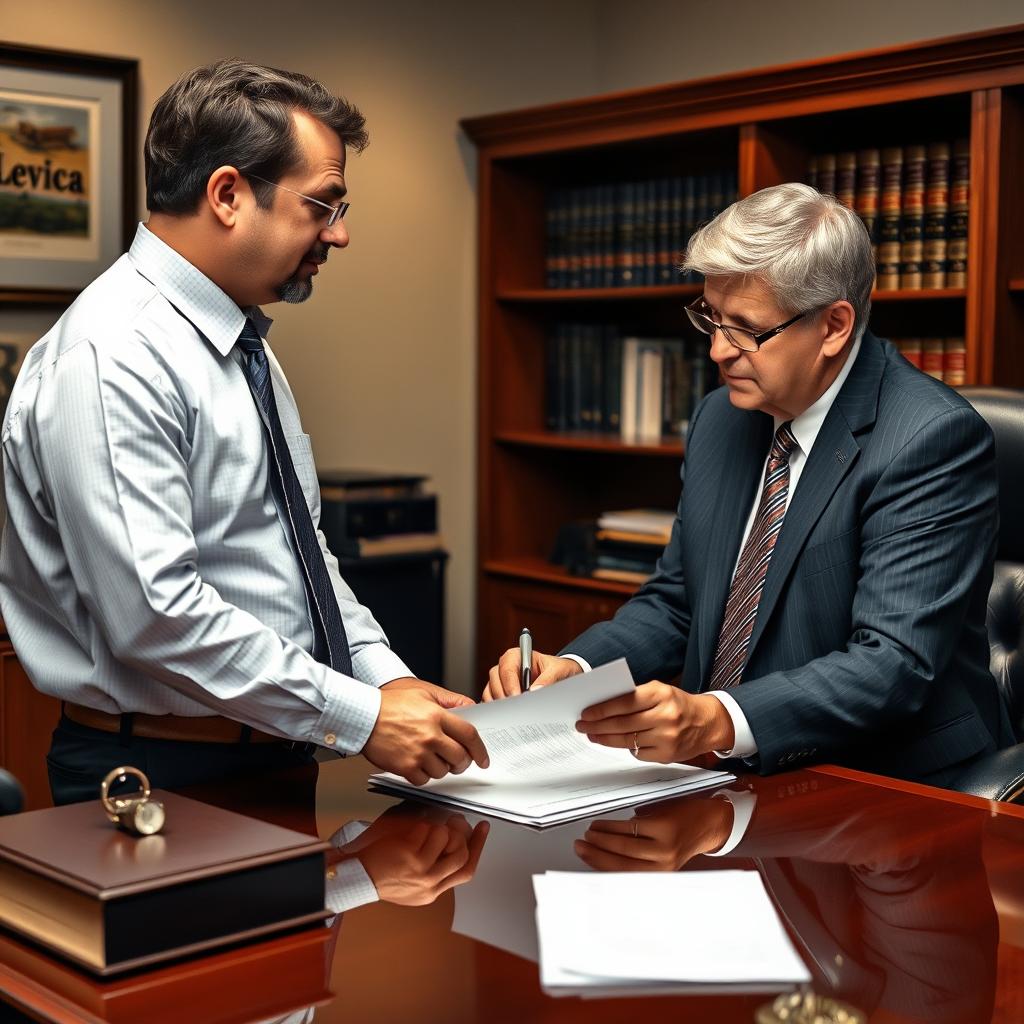
Charitable Trust Lawyer Prince William County, VA
A charitable trust can be a powerful tool for philanthropy, tax planning, and creating a lasting legacy. In Prince William County, Virginia, individuals and families seeking to establish a charitable trust must navigate the Virginia Uniform Trust Code, the requirements of the Prince William County Circuit Court, and Federal tax rules. Mr. Sris and the firm’s Of Counsel attorneys at Law Offices Of SRIS, P.C. assist clients from Manassas, Woodbridge, Dale City, Gainesville, and surrounding communities with every stage of the charitable giving process — from drafting a trust instrument that aligns with both charitable goals and tax objectives to advising on ongoing administrative duties. Whether you are considering a charitable remainder trust, a charitable lead trust, or a simple donor‑advised arrangement, experienced counsel can help structure the plan correctly from the start. For a consultation, contact Law Offices Of SRIS, P.C. at (888) 437‑7747. Law Offices Of SRIS, P.C. – Advocacy Without Borders.
What a Charitable Trust Means in Prince William County, Virginia
A charitable trust is a fiduciary arrangement through which a person (the settlor) transfers assets to be held and managed by a trustee for charitable purposes. In Virginia, charitable trusts are governed by the Virginia Uniform Trust Code, codified at Title 64.2 of the Code of Virginia. Unlike a private trust that benefits named individuals, a charitable trust must operate for the public benefit. The Virginia Attorney General has standing to enforce charitable trusts, and the Prince William County Circuit Court — which hears trust and probate matters — may exercise supervision over the trust’s administration if a question arises.
Prince William County is part of Virginia’s Thirty‑first Judicial District. The Circuit Court, located at 9311 Lee Avenue in Manassas, handles the appointment of trustees, the approval of accounts, and any litigation involving trust validity or breach of fiduciary duty. Because Virginia has repealed its state estate tax, charitable trusts are often designed with Federal income, gift, and estate tax considerations in mind. A properly drafted charitable trust can provide an immediate income‑tax deduction, remove assets from the settlor’s taxable estate, and generate a stream of income for the donor or a family member during the trust term. Mr. Sris and the firm’s Of Counsel attorneys routinely draft these instruments to comply with both Virginia law and the requirements of the Internal Revenue Code.
How Mr. Sris and His Of Counsel Handle Charitable Trust Matters
Every charitable‑trust engagement begins with a thorough discussion of the client’s objectives — whether they involve supporting a specific cause, reducing tax exposure, or creating a legacy that engages the next generation. Mr. Sris and the firm’s Of Counsel attorneys then identify the trust structure that best fits the client’s circumstances. Common vehicles include charitable remainder annuity trusts, charitable remainder unitrusts, charitable lead trusts, and private foundations. Each vehicle has distinct tax‑treatment rules and administrative requirements, and the choice between them turns on the donor’s age, the type of assets to be transferred, and the desired income stream.
After the appropriate structure is chosen, the team prepares the trust instrument. The document must satisfy the Virginia Uniform Trust Code’s formalities, name a qualified trustee, and clearly describe the charitable purpose and the distribution rules. Once the trust is executed, the attorneys assist with ancillary steps, including filing IRS Form 5227 for split‑interest trusts, advising on the annual distribution requirements, and ensuring that the trust remains compliant with Virginia’s reporting obligations. Mr. Sris and his Of Counsel also represent trustees and beneficiaries when disputes arise in the Prince William County Circuit Court, such as petitions to modify or terminate a trust under the doctrine of cy pres or allegations of trustee mismanagement.
About Mr. Sris and His Of Counsel Team
Mr. Sris is Owner and Founder of Law Offices Of SRIS, P.C. He has been admitted to practice in Virginia, Maryland, the District of Columbia, New Jersey, and New York and has concentrated his practice on estate planning and trust law since 1997. A former prosecutor, Mr. Sris brings an analytical, detail‑focused approach to the drafting of charitable trusts, ensuring that each instrument withstands scrutiny from both tax authorities and the courts. Mr. Sris testified before the Virginia House Courts of Justice Committee in support of 2019 HB 635 (chief patron Del. David Bulova).
The firm’s Of Counsel attorneys contribute their own broad experience to trust and estate matters. Together, Mr. Sris and his Of Counsel bring extensive combined legal experience. Mr. Sris and his Of Counsel have documented case results across all practice areas since 1997. Results may vary. The team works collaboratively to address both the technical drafting requirements and the human dimensions of charitable planning, helping families across Prince William County achieve their philanthropic goals.
Frequently Asked Questions
What is a charitable trust?
A charitable trust is a trust created for a charitable purpose that benefits the public rather than a specific individual. In Virginia, charitable trusts are governed by the Virginia Uniform Trust Code (Va. Code § 64.2‑700 et seq.) and must operate for a charitable, religious, scientific, or educational purpose. The trust can take many forms, such as a charitable remainder trust (which pays income to non‑charitable beneficiaries first and the remainder to charity) or a charitable lead trust (which pays income to charity first). Because a charitable trust may provide significant tax advantages, its formation and administration must strictly comply with Virginia law and the Internal Revenue Code. For guidance on your specific situation, reach Law Offices Of SRIS, P.C. at (888) 437‑7747.
Do I need a lawyer to set up a charitable trust in Prince William County?
You are not legally required to hire a lawyer, but the complexity of charitable trust rules makes experienced legal guidance important. A charitable trust must satisfy both state law requirements and Federal tax provisions. The Prince William County Circuit Court, which handles trust matters, will examine whether the trust document meets Virginia statutory formalities. A lawyer can ensure that the trust instrument correctly identifies the charitable purpose, names a qualified trustee, and includes the provisions necessary to obtain the desired tax treatment. For a consultation, reach Mr. Sris and his Of Counsel at (888) 437‑7747.
What are the requirements for a charitable trust under Virginia law?
Virginia law requires a charitable trust to have a definite charitable purpose, a named trustee, and property transferred to the trust. The Virginia Uniform Trust Code (Title 64.2) sets forth the rules governing trust creation, modification, and termination. The trust must benefit an indefinite class of beneficiaries (the public at large) rather than a specific person. Additionally, the trust must comply with the rule against perpetuities, though Virginia has abolished the rule against perpetuities for charitable trusts under certain conditions. The Attorney General of Virginia may enforce the trust if the charitable purpose is not being carried out properly.
How does the Prince William County Circuit Court oversee charitable trusts?
The Prince William County Circuit Court has jurisdiction over trust matters, including the appointment of trustees, approval of accounts, and resolution of disputes. The Circuit Court, located at 9311 Lee Avenue in Manassas, hears petitions related to the administration of charitable trusts, such as requests to modify or terminate a trust under the doctrine of cy pres when the original charitable purpose becomes impossible or impractical. Trustees may be required to file periodic accountings, and the court can remove a trustee for breach of fiduciary duty. While most well‑drafted charitable trusts operate without court intervention, the Circuit Court provides a forum for oversight when issues arise.
Can a charitable trust be challenged in Virginia?
Yes, a charitable trust can be challenged, most often on grounds of lack of capacity, undue influence, improper execution, or failure to identify a valid charitable purpose. The Virginia Attorney General has standing to intervene in any proceeding affecting a charitable trust, and the Prince William County Circuit Court can appoint a guardian ad litem to represent the interests of the charitable beneficiaries. Although charitable trusts are generally afforded great deference by the courts, a challenge can freeze the trust’s assets and delay distributions. To discuss the details of your matter, contact Law Offices Of SRIS, P.C. at (888) 437‑7747.
How do I get started with a charitable trust in Prince William County?
The first step is a consultation with an experienced trust attorney to review your charitable goals, the assets you wish to contribute, and the tax implications of your proposed structure. Once the objectives are clear, the attorney drafts the trust instrument, and you execute it in compliance with Virginia formalities. The trustee must then accept the role, and the appropriate tax filings are submitted. Our firm can guide you through each phase. For a consultation, reach Mr. Sris and his Of Counsel at (888) 437‑7747.
Law Offices Of SRIS, P.C. also serves clients in Fairfax County, Stafford County, Fauquier County, Loudoun County, and Arlington County.
Official Virginia primary‑source resources: Virginia Code Title 64.2 — Wills, Trusts, and Fiduciaries · Virginia Circuit Courts
Attorney advertising. Prior results do not guarantee a similar outcome. Results may vary.
Case results depend on a variety of factors unique to each case.