
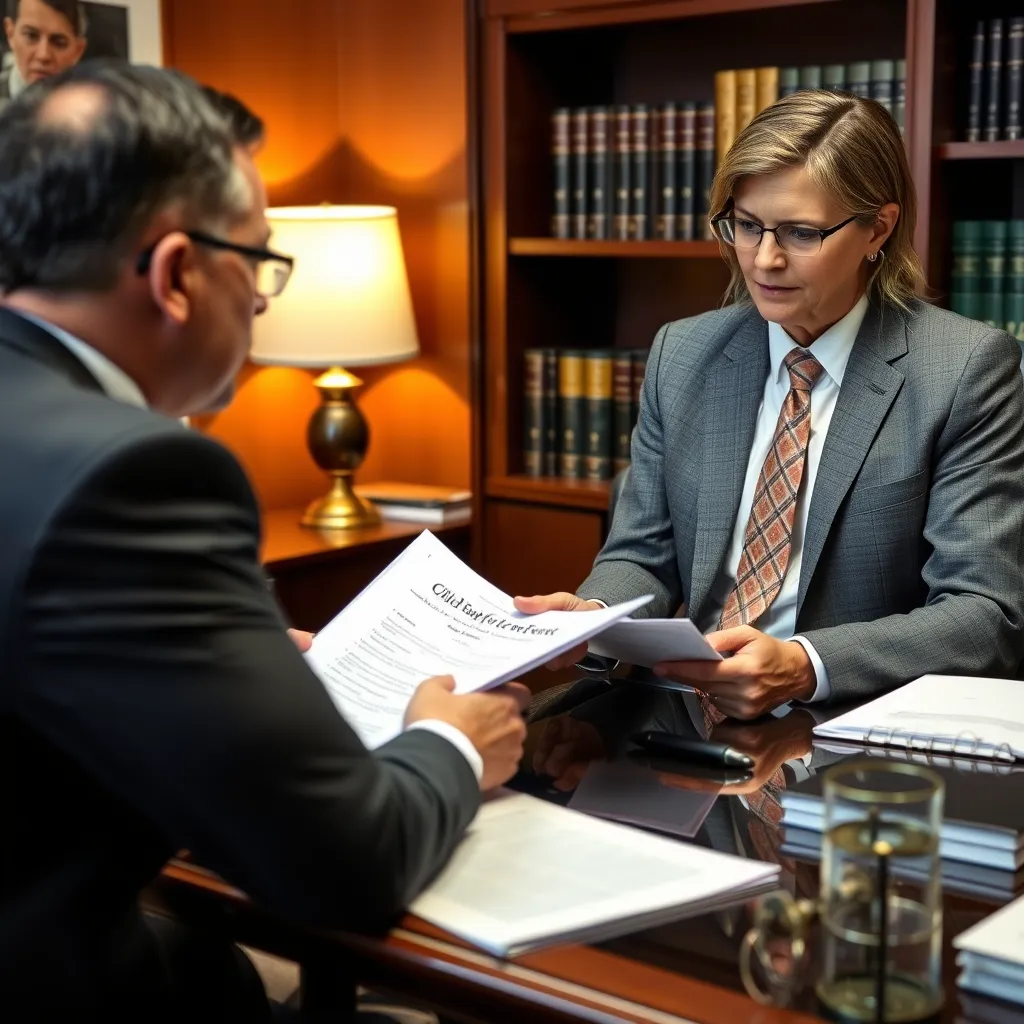
Child Support Contempt Lawyer Falls Church, VA
When a court-ordered child support obligation goes unpaid, the consequences can be serious — including possible jail time, license suspension, and additional court proceedings. In Falls Church, Virginia, child support contempt matters are handled in the Falls Church Juvenile and Domestic Relations District Court or, in certain circumstances, the Falls Church Circuit Court. Mr. Sris and his Of Counsel represent parents facing contempt allegations and also assist custodial parents seeking enforcement of an existing support order. Law Offices Of SRIS, P.C. has served Virginia families since 1997. To discuss your situation, call (888) 437-7747 today. Law Offices Of SRIS, P.C. — Advocacy Without Borders.
What Child Support Contempt Means in Falls Church, Virginia
Child support contempt occurs when a parent fails to comply with a court-ordered support obligation. Under Virginia law, the court may find a parent in civil contempt, criminal contempt, or both — depending on whether the goal is to compel payment, punish disobedience, or both. In Falls Church, the Falls Church Juvenile and Domestic Relations District Court typically hears support enforcement and contempt matters, while the Falls Church Circuit Court handles cases tied to a divorce decree. The same judicial location — 300 Park Avenue, Suite 151W, Falls Church, VA 22046 — houses both courts, and Mr. Sris and his Of Counsel regularly appear at this facility.
Because Falls Church is an independent city within the 17th Judicial District, its court procedures follow statewide Virginia rules but benefit from a smaller docket than larger neighboring jurisdictions like Fairfax County. Cases are governed primarily by Va. Code § 20-108.1 (the statutory child support guidelines) and § 20-108.2 (how support is calculated). When a parent is alleged to be in contempt, the court evaluates whether the non-payment was willful, reviews the obligor’s ability to pay, and considers any defenses — such as a material change in circumstances — before imposing remedies. Potential outcomes include a payment purge plan, wage garnishment, suspension of licenses, or, in severe cases, incarceration. Every contempt proceeding is fact-specific, and the timeline varies by the court’s calendar and the complexity of the matter.
How Mr. Sris and His Of Counsel Handle Child Support Contempt Cases
Mr. Sris and his Of Counsel approach child support contempt matters by first thoroughly examining the underlying support order, the payment history, and the circumstances that led to the alleged violation. Whether you are the parent who has fallen behind or the parent seeking enforcement, the team works to present a clear, well-documented case that highlights good-faith efforts, changes in financial situation, or compliance with prior court directives.
The process often begins with a consultation where the attorney reviews the court order, the arrearage claimed, and any relevant evidence — such as pay stubs, tax returns, and correspondence with the other parent. From there, Mr. Sris and his Of Counsel can negotiate with the opposing party or the Division of Child Support Enforcement, file appropriate motions to modify or enforce the order, and represent you at a show-cause hearing before the Falls Church court. Each step is handled with the goal of achieving a fair resolution while protecting your rights and your relationship with your child. Because no two cases are alike, the team tailors its strategy to the specific facts, always mindful that the court’s primary concern is the best interest of the child.
About Mr. Sris and His Of Counsel Team
Mr. Sris, Owner and Founder of Law Offices Of SRIS, P.C., is a former prosecutor who has practiced law since 1997. He is admitted in Virginia, Maryland, the District of Columbia, New Jersey, and New York. Mr. Sris testified before the Virginia House Courts of Justice Committee in support of 2019 HB 635 (chief patron Del. David Bulova). Alongside him, the firm’s Of Counsel bring extensive collective experience to family law matters, including child support enforcement and contempt defense. Mr. Sris and his Of Counsel bring over 120 years of combined legal experience and have achieved 4,739+ documented firm-wide results. Results may vary.
Law Offices Of SRIS, P.C. is based at the Fairfax Location — 4008 Williamsburg Court, Fairfax, VA 22032 — and serves clients throughout Northern Virginia, including Falls Church. Meetings are by appointment; call (888) 437-7747 to schedule.
Frequently Asked Questions
What is child support contempt in Virginia?
Child support contempt occurs when a parent does not follow a court order to pay child support. The court can use civil contempt remedies — such as a purge plan that lets the parent avoid jail by paying a certain amount — or criminal contempt if the violation is willful and intended to defy the court. Both can carry serious consequences, including fines and incarceration. The process involves a show-cause hearing where the parent must explain why they should not be held in contempt. Mr. Sris and his Of Counsel can present defenses and work toward a resolution that avoids harsher penalties. For guidance on your specific situation, reach Law Offices Of SRIS, P.C. at (888) 437-7747.
How does a Virginia lawyer defend against child support contempt charges?
Defense strategies for child support contempt in Virginia may include challenging the accuracy of the arrearage, showing a lack of willfulness, proving a change in financial circumstances, or demonstrating that the obligor has already made substantial efforts to pay. An experienced attorney evaluates the specific facts under Va. Code § 20-108.1 and § 20-108.2 to build the strong case. Procedural issues — such as improper service or a defective notice — can also be raised. Mr. Sris and his Of Counsel examine the record carefully to identify any legal or factual weakness in the enforcement action. For a consultation, reach Mr. Sris and his Of Counsel at (888) 437-7747.
What should I do if I am facing child support contempt charges in Falls Church?
Contact a family law attorney immediately. Do not ignore the court notice; failing to appear can result in a capias warrant for your arrest. Preserve all pay stubs, bank statements, and any documentation of your financial situation. Avoid direct confrontation with the other parent — let your attorney handle communication. The court will look for evidence of willful non-payment, so showing that you have acted in good faith is crucial. Law Offices Of SRIS, P.C. has represented parents in Falls Church courts since 1997. Call (888) 437-7747 to request a consultation.
Can I go to jail for not paying child support in Virginia?
Yes, incarceration is a possible consequence for willful failure to pay child support. Virginia courts have the authority to impose jail time as a criminal contempt sanction, though they often give the parent an opportunity to purge the contempt by paying a certain amount toward the arrears. The court considers the parent’s ability to pay and whether the non-payment was intentional. An attorney can advocate for alternatives to incarceration, such as a payment plan, work-release, or modification of the support order if circumstances have changed. To discuss the details of your matter, contact Law Offices Of SRIS, P.C. at (888) 437-7747.
How do I enforce a child support order in Falls Church, Virginia?
A parent owed support can file a motion for rule to show cause in the Falls Church Juvenile and Domestic Relations District Court, asking the court to hold the non-paying parent in contempt. The court will schedule a hearing and require the alleged obligor to explain the delinquency. If the court finds contempt, it can order remedies such as wage garnishment, interception of tax refunds, suspension of driver’s or professional licenses, and, if necessary, jail time. Working with an attorney helps ensure the motion is properly prepared and all available enforcement mechanisms are pursued. For a consultation, reach Mr. Sris and his Of Counsel at (888) 437-7747.
How long does a child support contempt case take in Falls Church?
The timeline varies depending on the court’s schedule, the complexity of the issues, and whether the parties reach an agreement. Some cases resolve at the first hearing; others may involve multiple continuances, discovery, and a contested evidentiary hearing. Because Falls Church courts have a relatively compact docket, cases can sometimes move faster than in larger jurisdictions, but procedural requirements — such as proper notice and service — still control. Mr. Sris and his Of Counsel work to bring cases to resolution as efficiently as possible while protecting the client’s interests. Call (888) 437-7747 to discuss what you can expect in your specific case.
Attorney advertising. Prior results do not guarantee a similar outcome. Results may vary.
Case results depend on a variety of factors unique to each case.