
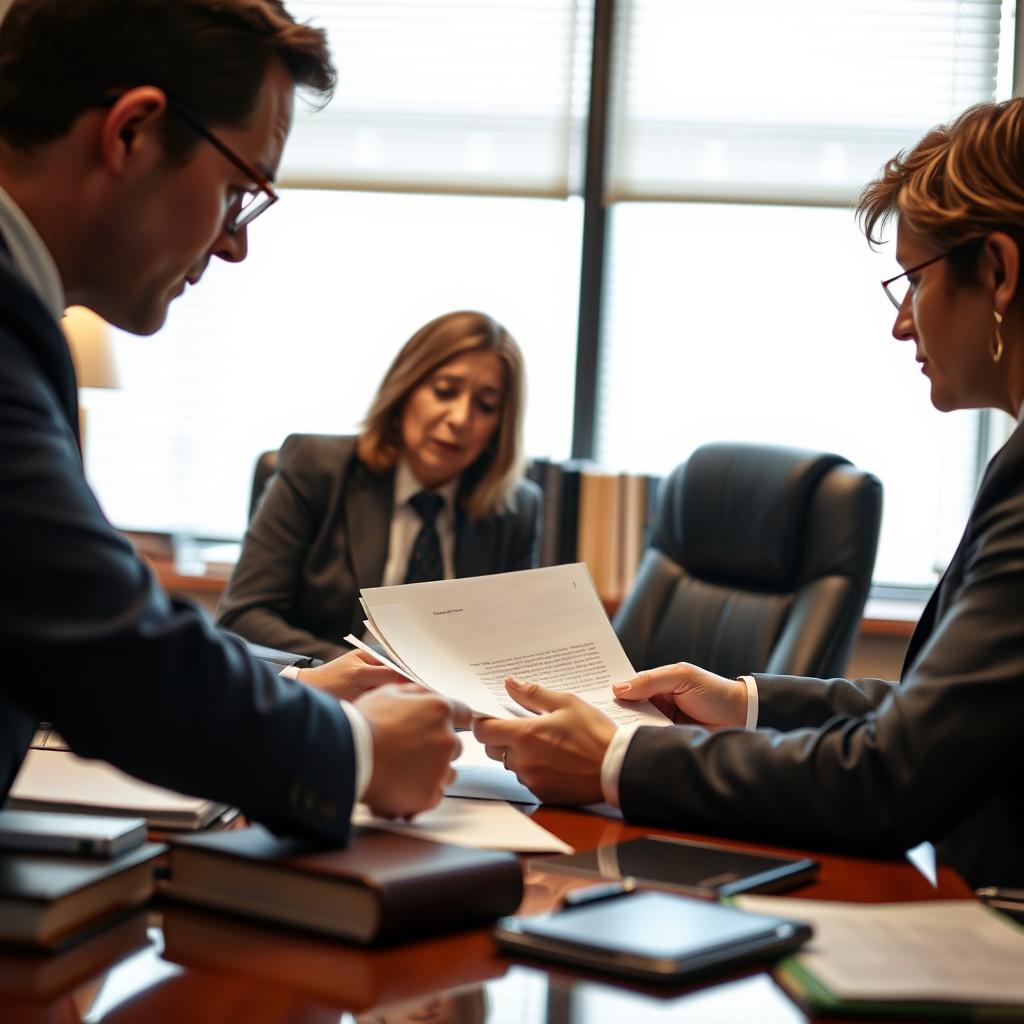
Destruction or Falsification of Records lawyer Fairfax, VA
Allegations of destroying, altering, or falsifying records can trigger a federal investigation that moves quickly and carries severe consequences. In Fairfax, Virginia, defendants in these matters face prosecution in the U.S. District Court for the Eastern District of Virginia — a forum known for strict timelines and no parole in the federal system. If you are searching for a Destruction or Falsification of Records lawyer in Fairfax, VA, early engagement of experienced counsel is critical. Mr. Sris and his Of Counsel at Law Offices Of SRIS, P.C. have extensive courtroom and trial experience defending individuals and businesses against federal charges brought under Title 18 of the U.S. Code. Reach our Fairfax location at (888) 437-7747 to request a consultation.
What Destruction or Falsification of Records Means in Fairfax, VA
Federal record‑destruction and falsification prosecutions arise when the government alleges that a person knowingly altered, destroyed, mutilated, concealed, or falsified records or documents with the intent to impede or obstruct a federal investigation, a bankruptcy proceeding, or the administration of any matter within federal jurisdiction. These cases are prosecuted by the United States Attorney’s Office for the Eastern District of Virginia, which has satellite courthouses and offices in Alexandria, Richmond, Norfolk, and Newport News. For defendants in Fairfax — whether the City of Fairfax or Fairfax County — the main federal court is the Albert V. Bryan U.S. Courthouse in Alexandria, a short distance from the firm’s Fairfax location.
The federal system operates without parole. If convicted, a person serves the sentence imposed, less only good‑time credits. Federal sentencing guidelines calculate a recommended range based on the offense level and the defendant’s criminal history category. In record‑destruction matters, the specific charge often determines the statutory maximum — some provisions carry penalties of up to 20 years in prison. The stakes are high, and the government often brings these charges alongside accompanying allegations such as obstruction of justice or conspiracy. Because the Eastern District of Virginia moves cases quickly under the Speedy Trial Act, a person who receives a target letter or is contacted by federal agents should seek counsel without delay.
How Mr. Sris and His Of Counsel Handle Federal Record Destruction Cases
When our firm is engaged in a federal records investigation or prosecution, we focus early on three areas: preserving evidence that may be exculpatory, reviewing the government’s theory to identify legal and factual weaknesses, and working to prevent a charge from being filed in the first place. Mr. Sris and his Of Counsel appear in the U.S. District Court for the Eastern District of Virginia and are familiar with the local rules, the magistrate‑judge procedures, and the expectations of the United States Attorney’s Office.
In a typical records‑destruction prosecution, the government must prove that the accused acted knowingly and with a specific intent to impede or obstruct a federal matter. A defense that challenges the element of intent — for example, demonstrating that records were lost incidentally or that the defendant lacked awareness of an investigation — may lead to a dismissal, a reduction of charges, or a favorable plea resolution. Our experienced defense team examines the full factual record, including the timing of document destruction, the chain of custody of electronic records, and the conduct of federal agents, to build a thorough defense tailored to the circumstances of the case.
About Mr. Sris and His Of Counsel Team
Mr. Sris, Owner and Founder of Law Offices Of SRIS, P.C., is a former prosecutor who has concentrated his practice on complex criminal defense since 1997. He is admitted in Virginia, Maryland, the District of Columbia, New Jersey, and New York, and he appears regularly in the U.S. District Court for the Eastern District of Virginia. Mr. Sris testified before the Virginia House Courts of Justice Committee in support of 2019 HB 635 (chief patron Del. David Bulova). His background gives him a practical understanding of how federal prosecutors construct cases and where investigative thresholds may be challenged.
Mr. Sris works alongside a team of Of Counsel attorneys who bring extensive courtroom and trial experience. Together, they have handled federal matters across multiple practice areas. The team collaborates on every case: one lawyer may handle pretrial detention arguments while another prepares the motion practice, and Mr. Sris remains involved in strategic decisions. The firm’s Fairfax location allows the team to meet with clients locally and to appear in federal court in Alexandria without the delay of distant travel.
Frequently Asked Questions
What federal statute covers destruction or falsification of records?
Federal record‑destruction and falsification charges are typically brought under Title 18 of the United States Code. The specific statutory provision depends on the alleged conduct — for example, if records were destroyed with the intent to obstruct a federal investigation, the charge may fall under the obstruction‑of‑justice statutes. If records were altered in connection with a bankruptcy proceeding, a different provision may apply. An experienced federal criminal attorney can explain which statute the government has charged and what elements must be proved beyond a reasonable doubt.
Do I need a lawyer if I am only under investigation and have not been charged?
Yes. Federal investigations — especially those involving document destruction — often begin with subpoenas, search warrants, or agent interviews long before an indictment is returned. What you say to agents and how you handle document‑retention obligations during the investigation immediately affect your exposure. Early engagement of counsel allows you to communicate through your lawyer, preserve potential defenses, and, in some cases, persuade the government not to seek an indictment. The federal conviction rate when charges are filed is high, so the pre‑indictment stage is the most critical window.
How do federal sentencing guidelines apply to record‑destruction convictions?
After a conviction, a federal district judge calculates a sentencing guideline range using the United States Sentencing Guidelines. The base offense level is adjusted upward or downward based on factors such as the loss amount involved, whether the offense substantially interfered with the administration of justice, and the defendant’s acceptance of responsibility. Because the federal system has no parole, the sentence imposed is the time the defendant will actually serve, subject only to limited good‑time credit. In some record‑destruction cases, additional factors — such as the destruction of evidence in a criminal case — can increase the offense level significantly.
Can a destruction‑of‑records charge be defended at the pre‑trial stage?
Yes. Pretrial motions may challenge the sufficiency of the indictment, the admissibility of evidence obtained through a search, or the government’s ability to prove the requisite intent. Federal criminal procedure requires the government to meet a high burden at every stage, and an experienced defense team can identify procedural errors or evidentiary weaknesses that may lead to a dismissal or a substantial reduction of the charges before trial.
What should I do if federal agents contact me about destroyed records?
Politely decline to answer questions and state that you wish to speak with an attorney. Do not consent to a search of your home, car, or electronic devices. Anything you say — even statements you believe are innocent — can be used against you later. Contact a federal criminal defense attorney immediately. The earlier counsel is engaged, the more options you typically have.
How does the firm handle cases in Fairfax when the federal courthouse is in Alexandria?
Our Fairfax location is minutes from the Albert V. Bryan U.S. Courthouse in Alexandria, where the Eastern District of Virginia hears most federal criminal matters arising in the Fairfax area. Mr. Sris and his Of Counsel appear in that courthouse regularly and are familiar with the local procedures for initial appearances, detention hearings, and arraignments. By operating from a nearby location, we can meet with clients promptly and be present for court proceedings without logistical delays.
Other federal criminal defense pages serving the Northern Virginia region:
To discuss how these federal statutes apply to your circumstances, reach Law Offices Of SRIS, P.C. at (888) 437-7747. We serve clients from our Fairfax location and appear in federal court throughout the Eastern District of Virginia.
Attorney advertising. Prior results do not guarantee a similar outcome. Results may vary.
Case results depend on a variety of factors unique to each case.