
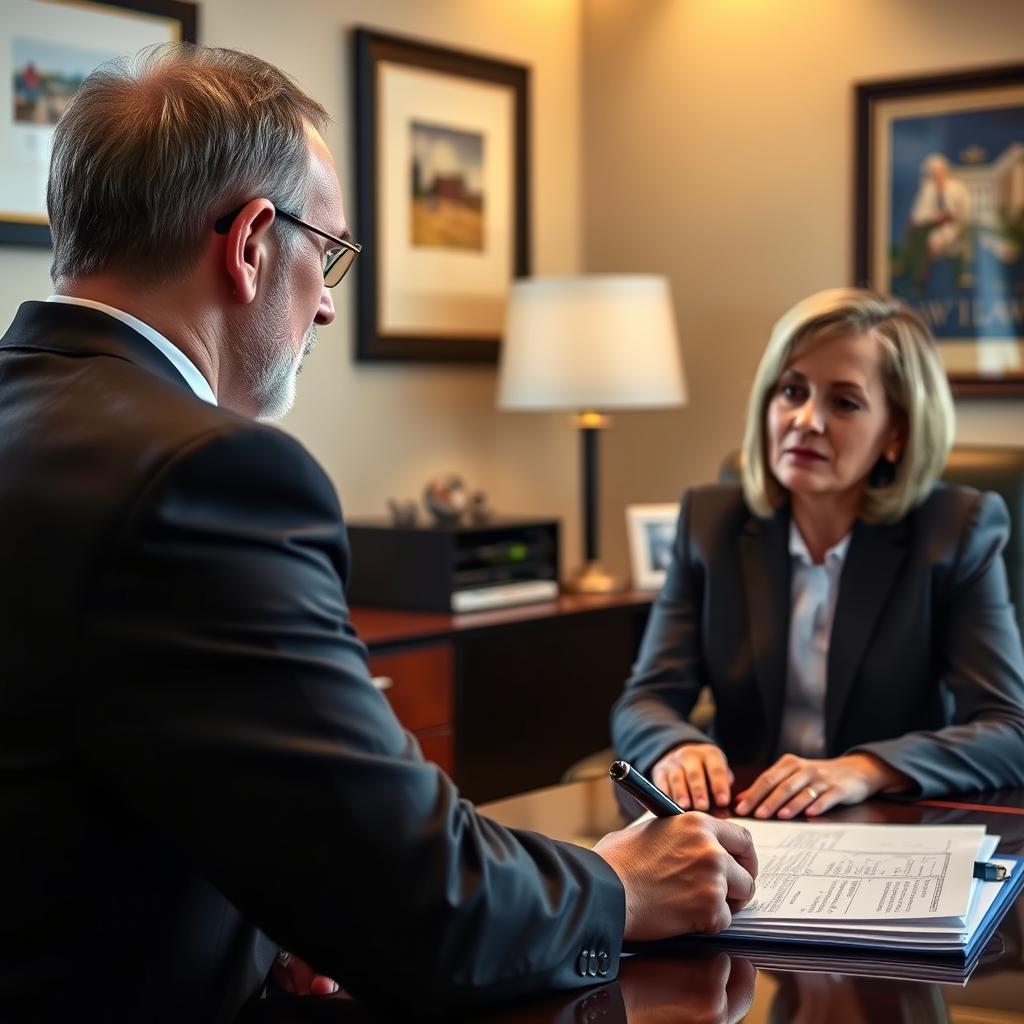
Licensing Lawyer Fairfax
A Licensing Lawyer Fairfax handles the legal creation and enforcement of contracts that grant rights to intellectual property or software. Law Offices Of SRIS, P.C.—Advocacy Without Borders. provides direct counsel on drafting, negotiation, and litigation for license agreements in Virginia. Our Fairfax Location focuses on protecting your assets and revenue streams from the start. (Confirmed by SRIS, P.C.)
Statutory Definition of Licensing Agreements in Virginia
Virginia contract law, primarily the Uniform Commercial Code (UCC) and common law, governs the creation and enforcement of license agreements. While no single statute defines all licenses, key Virginia codes establish the framework for these binding contracts. The Virginia Uniform Computer Information Transactions Act (UCITA), found in Title 59.1, provides specific rules for software and information licenses. For other intellectual property, such as trademarks or patents, federal law interacts with Virginia contract principles. A license is a permission, not a transfer of ownership. It creates a legal relationship with defined duties. Breach of a license agreement is a civil matter, not a criminal act. The remedies are typically monetary damages or injunctive relief. The maximum exposure is tied to the contract value and foreseeable losses. A Licensing Lawyer Fairfax must handle this hybrid legal area. They combine knowledge of Virginia contract law with relevant federal statutes.
Va. Code § 59.1-501.2 et seq. (UCITA) — Contract Formation — Remedies include damages, specific performance, or injunction. This code section governs many software and digital information licenses executed in Virginia. It defines terms like “licensee” and “licensor” with precision. The act outlines rules for contract formation, including electronic agreements. It also details performance obligations and available remedies for breach. Understanding UCITA is critical for any technology licensing based in Fairfax.
The economic stakes in licensing are high. A poorly drafted agreement can cost millions in lost revenue or infringement liability. Virginia courts interpret license terms based on the plain language of the contract. Ambiguities are often construed against the party who drafted the agreement. This makes precise drafting by a license agreement lawyer Fairfax essential. We draft clauses covering scope, territory, duration, payment, and termination. We also include strong confidentiality and dispute resolution provisions. Our goal is to create a clear, enforceable document that protects your interests.
What constitutes a breach of a license agreement in Fairfax?
A breach occurs when one party fails to perform a material term of the contract. Common breaches include non-payment of royalties, use outside the licensed scope, and unauthorized sublicensing. In Fairfax, courts look at the contract’s specific language to determine if a material breach happened. Even a minor violation can be material if the contract says it is. Evidence of the breach must be clear and documented.
How does Virginia law treat software licensing differently?
Virginia’s adoption of UCITA creates specific rules for software licenses. It validates shrink-wrap and click-wrap agreements common in the industry. The law provides specific warranties and remedies for non-conforming software. It also addresses issues like electronic self-help, though with restrictions. A software licensing attorney in Virginia must know these nuances. This knowledge prevents unenforceable terms and protects licensor rights. Learn more about Virginia legal services.
Can a license agreement be terminated early in Virginia?
Yes, if the contract includes a termination clause or a material breach occurs. Virginia law allows termination for cause upon a significant breach that is not cured. The agreement must specify notice and cure periods to be enforceable. Without a clause, termination rights are limited. We draft termination clauses that protect our clients’ flexibility and assets.
The Insider Procedural Edge in Fairfax Courts
The Fairfax County Circuit Court handles high-value commercial licensing disputes. This court is located at 4110 Chain Bridge Road, Fairfax, VA 22030. Major licensing litigation, especially where damages sought exceed $25,000, is filed here. The court’s business court docket manages complex commercial cases efficiently. Judges in this circuit are accustomed to detailed contract and intellectual property arguments. The filing fee for a civil complaint starts at $82. Procedural rules are strictly enforced. Deadlines for pleadings and discovery are firm. Local rules require mandatory mediation before a trial date is set. This court moves faster than many in Virginia. Delays in responding to motions can prejudice your case. Having a lawyer familiar with this specific courthouse is a tactical advantage. We know the clerks, the judges’ preferences, and the local rules.
For smaller disputes or preliminary injunctions, the Fairfax County General District Court may be involved. Its civil division handles claims up to $25,000. The address is 4110 Chain Bridge Road, Fairfax, VA 22030. This court can be a venue for quicker action on certain relief. The procedural timeline from filing to trial is often shorter here. However, its judgments are limited in monetary amount. Choosing the correct court is a strategic decision made by your Licensing Lawyer Fairfax. We assess the value and complexity of your dispute to file in the proper venue. This prevents jurisdictional dismissal and wasted time.
What is the typical timeline for licensing litigation in Fairfax?
A case can take 12 to 24 months from filing to trial in Circuit Court. The discovery phase is often the longest, lasting 6 to 12 months. Motions for summary judgment can shorten or end a case earlier. The court’s business court track aims to resolve cases within 18 months. Early strategic decisions significantly impact this timeline. Learn more about criminal defense representation.
Are there alternative dispute resolution options in Fairfax?
Yes, Fairfax courts often order mediation through the court’s dispute resolution program. Private arbitration is also a common clause in well-drafted license agreements. These options can reduce cost and time compared to a full trial. We advise on the inclusion and use of ADR clauses during contract drafting.
Penalties, Remedies, and Defense Strategies
The most common remedy is an award of monetary damages to compensate for losses. Damages are calculated based on the lost profits or the value of the unauthorized use. Virginia law aims to put the injured party in the position they would have been in if the contract was performed. This is not a penalty, but compensation. In cases where money is insufficient, a court may issue an injunction. An injunction orders a party to stop or start doing something. For a licensor, this often means stopping the licensee’s unauthorized use. For a licensee, it may compel the licensor to continue providing support. The threat of an injunction is a powerful tool in negotiations.
| Potential Remedy / Consequence | Typical Range / Form | Legal Notes |
|---|---|---|
| Compensatory Damages | Value of lost royalties or profits. | Calculated from contract terms and financial records. |
| Statutory Damages (Copyright) | $750 to $30,000 per work infringed. | Up to $150,000 for willful infringement; federal claim. |
| Permanent Injunction | Court order to cease all licensed activity. | Granted when monetary damages are inadequate. |
| Attorney’s Fees & Costs | Varies; often tied to contract clause. | Virginia follows the “American Rule” unless contract or statute states otherwise. |
| Specific Performance | Court order to fulfill contract terms. | Rare; granted only when the subject matter is unique. |
[Insider Insight] Fairfax County prosecutors do not handle civil license breaches. However, the Commonwealth’s Attorneys and judges in the civil divisions are familiar with technology and business disputes. They expect clear evidence and well-argued legal positions. Sentiment does not sway them; the contract language and facts do. Defense strategies start with the contract itself. A strong defense often shows the other party’s interpretation is wrong. We analyze the agreement’s plain meaning, the course of performance, and industry custom. We also investigate whether the claimant mitigated their own damages. Failure to mitigate can reduce or eliminate a damages award. In litigation, we use discovery to pressure the other side. We demand all communications and financial data related to the license.
What are the financial risks of losing a licensing case?
You risk paying the other side’s provable damages, which can be substantial. If your contract has a fee-shifting clause, you may also pay their attorney’s fees. A permanent injunction can shut down a business line or product. There are also significant internal costs in management time and distraction. Learn more about DUI defense services.
How can a good license agreement lawyer Fairfax prevent problems?
Prevention is the best defense. A well-drafted agreement eliminates ambiguities that lead to disputes. It includes clear payment terms, scope limitations, and dispute resolution processes. We draft with an eye toward future litigation, creating enforceable terms. This proactive work is more valuable than any litigation strategy.
Why Hire SRIS, P.C. for Your Fairfax Licensing Matter
Our lead attorney for commercial contracts in Fairfax has over 15 years of focused drafting and litigation experience. This attorney has negotiated and litigated license agreements for software, trademarks, and content. They understand how Fairfax courts interpret complex contractual language. We bring a practical, results-oriented approach to every case. We do not just react to problems; we build contracts to avoid them.
Primary Attorney: Our Fairfax licensing lead. Credentials: Virginia Bar, extensive background in technology and IP law. Case Focus: Drafting and enforcing software, SaaS, and IP license agreements for Fairfax-based businesses.
SRIS, P.C. has a dedicated Location in Fairfax to serve local businesses. Our team understands the local economic area, from government contractors to tech startups. We have managed numerous licensing matters for clients in this jurisdiction. Our approach is direct. We explain your options, the likely costs, and the strategic implications. We work to resolve disputes efficiently, but we prepare every case for trial. Our goal is to protect your intellectual property and your bottom line. You need a licensing lawyer who knows the law and the local courtroom. You need a license agreement lawyer Fairfax who writes contracts that hold up under pressure. Learn more about our experienced legal team.
Localized Fairfax Licensing FAQs
What does a Licensing Lawyer Fairfax do?
A Licensing Lawyer Fairfax drafts, reviews, and negotiates contracts that grant permission to use intellectual property. They also enforce these agreements in court when breaches occur, seeking damages or injunctions to protect client rights.
How much does it cost to hire a license agreement lawyer in Fairfax?
Costs vary based on complexity. Drafting a new agreement may involve a flat fee. Litigation is typically billed hourly. We provide a clear fee structure during your initial Consultation by appointment.
What is the difference between licensing and assigning intellectual property?
A license grants permission to use IP for a time, like renting. An assignment is a permanent sale of the IP rights. Licensing retains ownership; assignment transfers it.
Can I use a template for my software license agreement?
Generic templates often lack critical, enforceable terms for Virginia law and your specific business. A poorly drafted clause can invalidate key protections or lead to costly litigation.
How long does it take to resolve a licensing dispute?
Negotiation can resolve matters in weeks. Mediation may take months. Full litigation in Fairfax Circuit Court typically takes one to two years from filing to trial.
Proximity, Contact, and Critical Disclaimer
Our Fairfax Location is strategically positioned to serve clients across Northern Virginia. We are accessible to businesses in Tysons, Reston, and Arlington. For a case review regarding a license agreement or dispute, contact us directly. Consultation by appointment. Call 703-278-0405. 24/7.
Law Offices Of SRIS, P.C. —Advocacy Without Borders.
Fairfax Location (Consultation by appointment)
Phone: 703-278-0405
Past results do not predict future outcomes.