
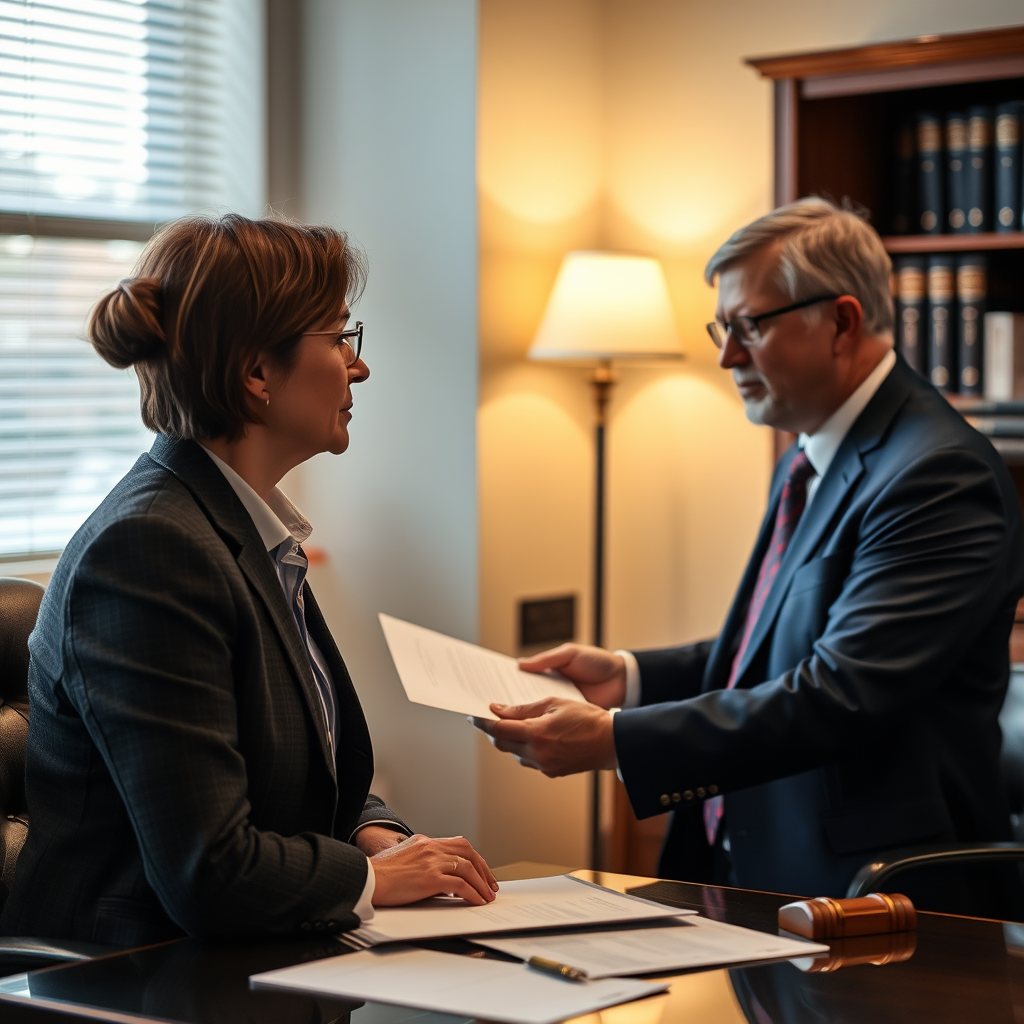
Postnuptial Agreement Lawyer Near Me
Entering into a postnuptial agreement is a complex legal decision that requires careful planning and an understanding of state-specific laws governing marital property and support. Because these agreements deal with fundamental rights regarding finances, assets, and future support, securing counsel from an experienced attorney who understands the nuances of family law in your specific jurisdiction is critical. Law Offices Of SRIS, P.C., provides comprehensive guidance to help individuals navigate the creation, negotiation, and enforcement of these vital agreements across multiple jurisdictions.
What Are Postnuptial Agreements?
A postnuptial agreement is a legally binding contract created by two people who are already married. Unlike prenuptial agreements, which are signed before the marriage takes place, these agreements are drafted and executed after the couple has been married. The primary purpose of such a document is to define how assets, debts, spousal support (alimony), and other financial matters will be divided should the marriage end through divorce or separation.
These agreements are not merely suggestions; they are enforceable contracts that must comply with the specific statutes of the state in which they are signed and intended to govern. Because family law is highly sensitive, the validity of any postnuptial agreement often hinges on proving that both parties entered into the contract voluntarily, with full financial disclosure, and without coercion or undue influence. Mr. Sris and the firm’s Of Counsel attorneys bring extensive combined legal experience in reviewing these documents to ensure they meet all necessary legal standards. Results may vary.
Why Are Postnuptial Agreements Necessary?
While marriage is often viewed as a partnership, the financial realities of life can be complex, involving assets accumulated before the marriage, debts incurred during it, and differing expectations for financial security after separation. Postnuptial agreements provide a proactive framework to address these potential conflicts before they escalate into costly and emotionally draining litigation. They allow couples to maintain autonomy over their separate property and to establish clear guidelines regarding support payments, which can be particularly important when there are significant disparities in income or career trajectories.
Furthermore, these agreements serve as a critical tool for protecting pre-marital assets that one or both parties wish to keep separate from the marital estate. By documenting these expectations upfront, the couple reduces ambiguity and minimizes the potential for disputes that could otherwise cloud the division of property. The goal is not to diminish affection but to provide legal certainty and financial peace of mind for both individuals involved.
The Process of Creating a Postnuptial Agreement
The process of drafting and finalizing a postnuptial agreement is methodical and requires the involvement of legal counsel at every stage. It begins with an initial consultation where the attorney will thoroughly review the financial standing, asset portfolio, and individual goals of both parties. This foundational step ensures that all relevant financial information—including income statements, debt obligations, and property valuations—is gathered and understood by the legal team.
Next, the attorney drafts the agreement, incorporating the specific terms agreed upon by the couple. This document must be precise, using clear legal language to define what constitutes “marital property” versus “separate property.” The draft is then presented to both parties for review. It is absolutely vital that each individual has ample time to review the document with their own independent counsel before signing. Finally, once all parties are satisfied and the agreement is properly executed according to state law, it is signed in a manner that ensures its legal enforceability.
Jurisdictional Considerations for Postnuptial Agreements
The validity and scope of postnuptial agreements are heavily influenced by the laws of the state where the couple resides or where the agreement is signed. For instance, some jurisdictions place strict limitations on what can be waived regarding spousal support, while others allow greater freedom in asset division. Law Offices Of SRIS, P.C., maintains experience across multiple jurisdictions, including Virginia, Maryland, the District of Columbia, New Jersey, and New York. This multi-jurisdictional knowledge allows the firm to advise clients on drafting agreements that are robust and enforceable regardless of where a future legal dispute might arise.
Understanding these jurisdictional differences is paramount because an agreement valid in one state may be challenged or deemed unenforceable in another. The firm’s ability to guide clients through these varying legal landscapes ensures that the resulting document provides the maximum level of protection tailored to the couple’s specific needs and anticipated residency patterns.
How Mr. Sris and the Firm’s Of Counsel Attorneys Handle Postnuptial Agreement Cases in the Relevant Jurisdiction
Handling postnuptial agreements requires more than simply drafting clauses; it demands a thorough understanding of the emotional, financial, and legal dynamics between two people who are attempting to formalize their future relationship. Mr. Sris and the firm’s Of Counsel attorneys approach these matters with meticulous care, recognizing that the primary goal is not adversarial conflict but rather providing clarity and security for both parties involved. The process begins with a comprehensive financial audit, where we work with clients to catalog every asset, debt, and income stream. This detailed inventory forms the bedrock of the agreement, ensuring that no valuable or potentially disputed item is overlooked during the negotiation phase.
Our approach emphasizes transparency and mutual understanding. We guide our clients through the complex legal requirements—such as mandatory financial disclosure and the need for independent counsel for both parties—to ensure the resulting document stands up to judicial scrutiny. By managing the entire lifecycle of the agreement, from initial consultation through final execution, we help safeguard your rights while maintaining the integrity of the relationship. Our team is dedicated to achieving favorable outcomes; Results may vary.
About Mr. Sris and the Firm’s Of Counsel Attorneys
Mr. Sris, Owner and Founder of Law Offices Of SRIS, P.C., brings extensive combined legal experience to family law matters across the Mid-Atlantic region. As a former prosecutor, Mr. Sris possesses a unique perspective on the intersection of civil agreements and criminal law, which is invaluable when reviewing complex financial disclosures or potential disputes arising from marital misconduct. His commitment to thorough preparation and detailed analysis provides clients with counsel that is both legally sound and practically applicable to their unique situation.
Mr. Sris and the firm’s Of Counsel attorneys work collaboratively to provide a comprehensive defense and advisory service. The firm’s Of Counsel attorneys are highly specialized practitioners who augment the firm’s capabilities, allowing us to serve clients with needs ranging from complex estate planning to intricate marital property division. We maintain a commitment to ethical practice and client advocacy across our five admitted jurisdictions: Virginia, Maryland, the District of Columbia, New Jersey, and New York.
Frequently Asked Questions About Postnuptial Agreements
What is the difference between a prenuptial and postnuptial agreement?
The primary difference is timing: a prenuptial agreement is signed before the marriage, whereas a postnuptial agreement is executed after the couple has already been married.
While both aim to define financial rights upon divorce, the legal considerations for a postnuptial agreement often involve assets or circumstances that have accrued during the marriage, requiring careful documentation of those specific contributions.
Are postnuptial agreements always legally enforceable?
No, enforceability depends heavily on state law and whether the court determines the agreement was entered into voluntarily, with full disclosure, and without undue influence or duress.
If a party can prove coercion or that critical financial information was withheld, a judge may invalidate the agreement or modify its terms. This is why thorough legal review is essential.
Does having a postnuptial agreement protect assets from creditors?
Generally, while they define asset division upon divorce, these agreements are not always effective shields against all types of creditors or judgments made outside the scope of the agreement itself.
The specific protections afforded depend on the nature of the debt and the laws governing creditor rights in the relevant state. Consulting with an attorney is necessary to understand the limitations.
Can I change a postnuptial agreement later?
Yes, agreements can be modified or renegotiated, but any changes must be documented through a formal legal amendment and executed according to the strict requirements of state law.
Modifications are often necessary as life circumstances—such as career changes, new assets, or children—evolve over time, requiring updated legal documentation.
What if one spouse has significantly more income than the other?
The agreement can address income disparity by defining how spousal support will be handled, which may include setting specific payment amounts or structuring support based on future earning potential.
These provisions are negotiated carefully to balance financial protection with fairness, taking into account the duration of the marriage and standard support guidelines.
Do I need a lawyer if we just want to write down our wishes?
It is strongly advised that you retain an attorney because simply writing down your wishes without legal experience can result in a document that is legally invalid or unenforceable in court.
An experienced lawyer ensures the language meets statutory requirements, properly addresses jurisdictional nuances, and protects both parties’ interests.
How long does it take to finalize the agreement?
The timeline varies by case complexity and the level of financial disclosure required from both parties; therefore, it is impossible to provide a specific timeframe.
Generally, the process requires several rounds of document review, negotiation, and signing, making it a multi-stage commitment that requires patience and cooperation.
What happens if we sign the agreement but later disagree on something?
If disagreement arises, the agreement itself will outline the dispute resolution mechanism, which might mandate mediation or arbitration before litigation can proceed. The agreement serves as the primary guide for resolving future conflicts.
It is crucial that both parties understand these dispute resolution clauses while the agreement is being drafted to avoid misunderstanding later.
For guidance on your specific situation, reach Law Offices Of SRIS, P.C. at (888) 437-7747.
Attorney advertising. Prior results do not guarantee a similar outcome.
Case results depend on a variety of factors unique to each case.
Attorney responsible for this advertising: Mr. Sris.
Results may vary.