
Separation Lawyer Alexandria, VA
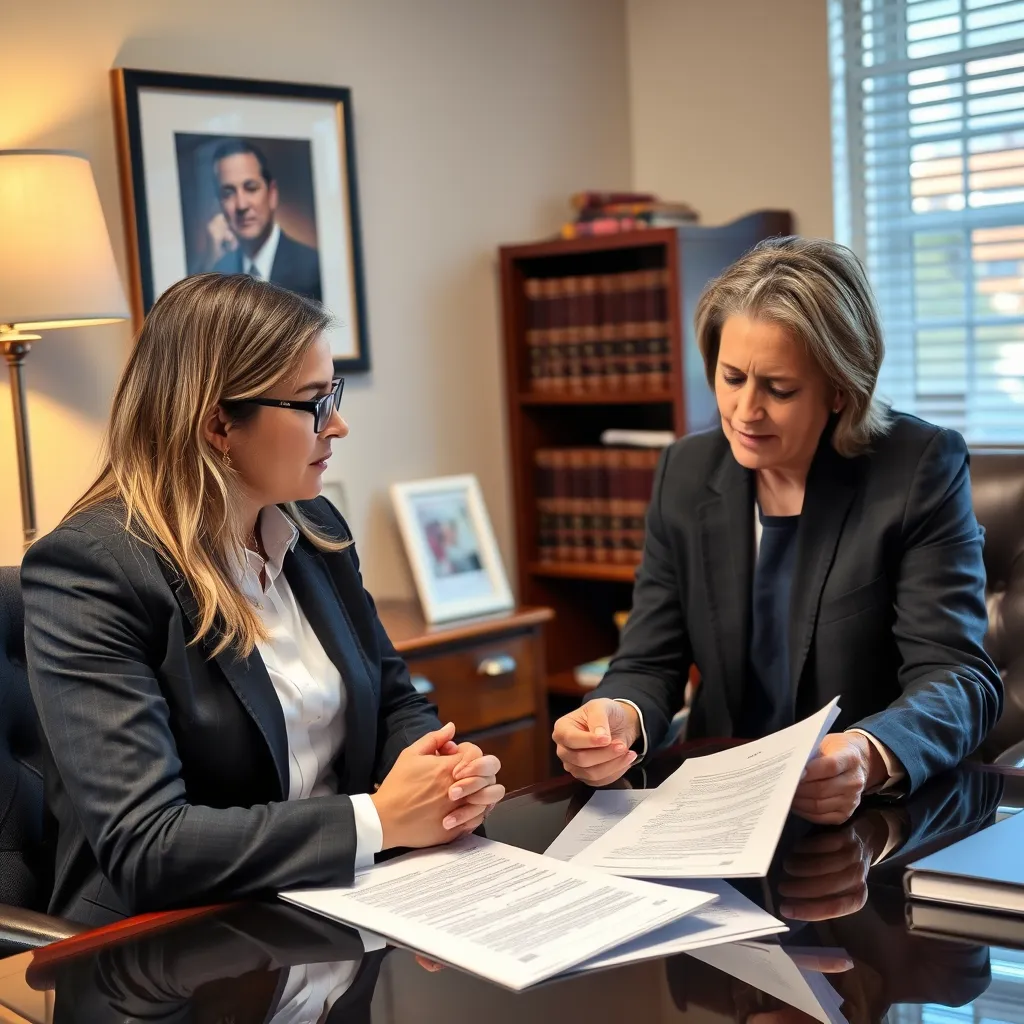
When a marriage reaches a point where spouses need to live apart, the legal steps that follow can feel overwhelming. In Alexandria, Virginia, a separation is not a formal court status—it is the factual separation required by law before a no-fault divorce may be filed. Mr. Sris and his Of Counsel at Law Offices Of SRIS, P.C. represent clients throughout Alexandria, including Old Town, Del Ray, and Kingstowne, in matters involving separation agreements, property division, and related family law issues. The Alexandria Circuit Court, located at 520 King Street, exercises exclusive jurisdiction over divorce and equitable distribution, while the Alexandria Juvenile and Domestic Relations District Court handles standalone custody and support matters. Virginia law, particularly Va. Code § 20‑91, requires a specific period of separation before a no-fault divorce can be granted. A well‑crafted separation agreement can resolve many of the financial and parenting issues that arise during the separation period. To discuss your situation with an experienced family law team, contact Law Offices Of SRIS, P.C. at (888) 437‑7747. Law Offices Of SRIS, P.C. — Advocacy Without Borders.
To establish the no-fault ground for divorce under Va. Code § 20‑91(9), the parties must have lived separate and apart without cohabitation for one year, or for six months if they have no minor children and have entered into a written separation agreement.
Source: Va. Code § 20‑91(9). Virginia Code § 20‑91
Reviewed by Mr. Sris, admitted in VA, MD, DC, NJ, and NY.
What Separation Means in Alexandria, Virginia
In Virginia, separation is the factual condition of living separate and apart without interruption and without cohabitation. It is distinct from a divorce decree and does not require a court order to begin. The Alexandria Circuit Court, which handles all divorce and equitable distribution actions, will examine whether the required separation period has been satisfied when a no-fault divorce complaint is filed. For couples with minor children, the statutory one‑year separation period typically applies unless a separation agreement resolves all custody, visitation, and support issues to the court’s satisfaction. The Alexandria Juvenile and Domestic Relations District Court may issue temporary custody and support orders during the separation, ensuring that a parent’s departure from the marital home does not leave children without financial support or a workable parenting schedule. Because separation serves as the factual basis for a no-fault divorce, it is essential that the parties maintain genuinely separate residences and do not resume marital relations during the waiting period. A carefully documented separation also protects the integrity of a subsequent divorce proceeding.
The Alexandria region includes historic neighborhoods such as Old Town and Del Ray, and many residents work in Washington, D.C., or nearby Northern Virginia communities. The 18th Judicial District’s courts see a steady volume of family law matters, and the judges are familiar with the practical challenges that arise when one spouse moves out of a jointly owned home or when parents need to coordinate school and extracurricular schedules across two households. Mr. Sris and his Of Counsel appear regularly in the Alexandria Circuit Court and the Juvenile and Domestic Relations District Court, and they understand how local practice affects the separation‑to‑divorce timeline. Whether you are considering a trial separation or have already been living apart for months, an attorney can explain how Virginia law treats property acquired during separation, how spousal support may be addressed while the divorce is pending, and what steps to take if you need immediate court‑ordered relief during the separation period.
How Mr. Sris and His Of Counsel Handle Separation Cases
Separation matters are approached with a focus on building a clear factual record and protecting the client’s legal and financial interests while the divorce process unfolds. Mr. Sris and his Of Counsel begin by evaluating whether the parties have already separated or are planning to do so, and they identify any immediate needs—such as temporary spousal support, a parenting plan, or an order establishing exclusive use of the marital home. If the spouses are able to negotiate, the firm drafts a comprehensive separation agreement that addresses property division, spousal support, child custody, visitation, and child support in one integrated document. A properly executed separation agreement can become the foundation for an uncontested no-fault divorce under Va. Code § 20‑91(9)(b) after six months of separation when no minor children are involved, or can be incorporated into a divorce decree after a one‑year separation. Because Virginia is an equitable distribution state, the separation agreement must reflect a fair resolution of marital assets and debts; the firm works with forensic accountants and business valuators when necessary to ensure the marital estate is accurately valued.
In contested matters, Mr. Sris and his Of Counsel file appropriate pleadings in the Alexandria Circuit Court or the Juvenile and Domestic Relations District Court to secure temporary relief. The court may schedule a pendente lite hearing to address immediate support and custody issues while the underlying divorce proceeds. Throughout the separation period, the firm counsels clients on what conduct can affect their legal position—for example, spending marital funds on a new partner or taking children out of state without proper notice can prejudice a later custody determination. Mr. Sris, a former prosecutor, and his Of Counsel team bring over 120 years of combined legal experience to separation and divorce cases. Results may vary. When the required separation period has been met, the firm prepares and files the divorce complaint, ensuring that the separation facts are properly pleaded so the court can grant the divorce without unnecessary delay.
About Mr. Sris and His Of Counsel Team
Mr. Sris founded Law Offices Of SRIS, P.C. in 1997 and serves as its Owner and Founder. A former prosecutor, he is admitted to practice in Virginia, Maryland, the District of Columbia, New Jersey, and New York. Mr. Sris testified before the Virginia House Courts of Justice Committee in support of 2019 HB 635 (chief patron Del. David Bulova). His experience in family law includes complex equitable distribution, high‑net‑worth divorce, and international assets. The firm’s Of Counsel attorneys include practitioners with backgrounds in trial work, prosecution, and intricate financial matters. Collectively, Mr. Sris and his Of Counsel bring over 120 years of combined legal experience to every family law engagement. Results may vary. Mr. Sris and his Of Counsel have documented 4,739+ case results across all practice areas since 1997.
Frequently Asked Questions
What does a separation lawyer do in Alexandria, Virginia?
A separation lawyer assists with the legal and practical steps that accompany living apart from a spouse while preparing for divorce. In Alexandria, an attorney can draft a separation agreement that resolves property division, spousal support, custody, and visitation, and can represent a client in the Alexandria Circuit Court or Juvenile and Domestic Relations District Court to obtain temporary orders when needed. The lawyer’s role is to protect your rights during the separation period, document the date and circumstances of separation, and ensure that all statutory requirements for a later no-fault divorce are met. For guidance on your specific situation, reach Law Offices Of SRIS, P.C. at (888) 437‑7747.
How does separation affect divorce in Virginia?
In Virginia, separation is the factual predicate for a no-fault divorce. A divorce based on living separate and apart requires a continuous separation period of one year, or six months if there are no minor children and a valid separation agreement is in place. The date of separation also determines the valuation date for certain marital assets and can affect spousal support claims. Alexandria Circuit Court judges will examine whether the parties truly lived apart without cohabitation during the statutory period. A well‑documented separation strengthens the no-fault ground and helps avoid delays in obtaining a final divorce decree.
Do I need a separation agreement to file for divorce in Alexandria?
You are not always required to have a separation agreement to file for divorce in Virginia. A one‑year separation without an agreement is sufficient for a no‑fault divorce. However, a signed separation agreement is necessary to qualify for the six‑month no‑fault ground when there are no minor children. Even when not legally required, a comprehensive separation agreement can significantly simplify the divorce process by resolving all financial and parenting issues in advance. Mr. Sris and his Of Counsel draft enforceable separation agreements that address the unique circumstances of each family. To discuss the details of your matter, contact Law Offices Of SRIS, P.C. at (888) 437‑7747.
What are the requirements for a separation agreement to be valid?
A valid separation agreement in Virginia must be in writing and signed by both parties, and it must address the essential terms of property division, spousal support, and, if applicable, child custody and support. The agreement must be entered into voluntarily and without duress, and both parties should have a clear understanding of their rights. The Alexandria Circuit Court will review the agreement to ensure it is equitable and in the best interests of any minor children when it is submitted as part of a divorce proceeding. An attorney can help negotiate terms and confirm that the agreement complies with Virginia law.
How does separation impact child custody and support?
When parents separate, custody and support arrangements can be established through a written agreement or, if necessary, by a temporary order from the Alexandria Juvenile and Domestic Relations District Court. The court applies the trusted‑interests factors listed in Va. Code § 20‑124.3, considering each parent’s role, the child’s needs, and any history of family abuse. Child support is calculated under Virginia’s statutory guidelines based on the combined gross income of both parents. During separation, maintaining stability for the children is a priority, and a clear parenting plan in a separation agreement helps reduce conflict and provide predictable schedules. For a consultation, reach Mr. Sris and his Of Counsel at (888) 437‑7747.
When should I contact a separation lawyer in Alexandria?
It is wise to contact a separation lawyer as soon as you know that you and your spouse will be living apart, or immediately after you have moved out. Early legal advice helps you avoid missteps—such as taking children out of state without consent or dissipating marital assets—that could weaken your position in subsequent divorce proceedings. An attorney can also begin drafting a separation agreement, filing for temporary support, or, if you have been separated for the required period, initiating the divorce complaint. Mr. Sris and his Of Counsel offer consultations by appointment; call (888) 437‑7747.
Explore our Family Law services in nearby localities: Fairfax County Family Law · Fairfax City Family Law · Prince William County Family Law.
Attorney advertising. Prior results do not guarantee a similar outcome. Results may vary.
Case results depend on a variety of factors unique to each case.