
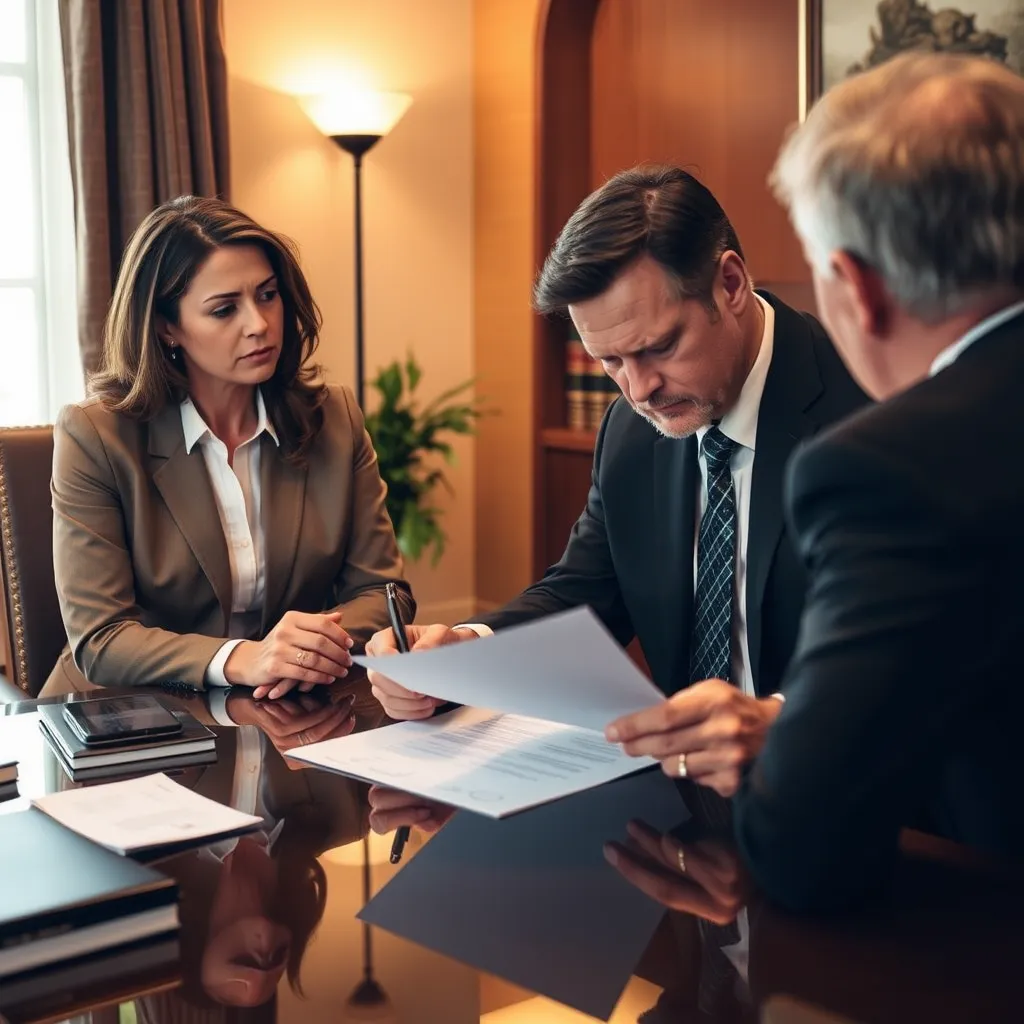
Spousal Support Lawyer Falls Church, VA
When a marriage ends or a separation occurs, one spouse may need financial assistance from the other to maintain a reasonable standard of living. In Virginia, spousal support—often called alimony—is governed by Va. Code § 20‑107.1 and decided in the county or city where the parties reside. For residents of Falls Church, Virginia, the Falls Church Circuit Court, located at 300 Park Avenue, Suite 151W, handles all spousal support requests that arise alongside a divorce or equitable distribution action. Mr. Sris, Owner and Founder of Law Offices Of SRIS, P.C., and his Of Counsel regularly guide clients through these proceedings, focusing on the financial facts and statutory factors that shape a spousal support award. Whether you need temporary support while a case is pending or a longer-term arrangement, understanding how the Falls Church courts apply Virginia’s spousal support statute is the first step. To discuss your situation, reach Law Offices Of SRIS, P.C. at (888) 437‑7747. Law Offices Of SRIS, P.C. — Advocacy Without Borders.
What Spousal Support Means in Falls Church, Virginia
Virginia is an equitable distribution state, not a community property state. That distinction matters for spousal support because the same judge who divides marital assets under Va. Code § 20‑107.3 also considers whether one spouse owes a duty of support to the other under § 20‑107.1. In Falls Church, the Circuit Court is the court of record for all divorce‑related matters, including spousal support. The Falls Church Juvenile and Domestic Relations District Court handles standalone child support and custody cases, but when spousal support is part of a divorce, the Circuit Court retains exclusive jurisdiction.
Virginia courts weigh a set of statutory factors when determining whether to award support, how much, and for how long. These factors include the earning capacity, education, and training of each spouse; the duration of the marriage; the age and physical condition of both parties; the standard of living established during the marriage; and the contributions each spouse made to the family’s well‑being. The court also examines any financial resources and obligations each spouse brings to the table. Because Falls Church is a small, independent city within the Seventeenth Judicial District, the judges on the Falls Church Circuit Court bench are familiar with the nuances of these factors as they apply to the families who live and work in the immediate area. Mr. Sris and his Of Counsel have extensive experience presenting the financial evidence that a Falls Church judge will weigh when ruling on a spousal support claim.
How Mr. Sris and His Of Counsel Handle Spousal Support Cases
Every spousal support case begins with a thorough review of the parties’ financial circumstances. Mr. Sris and his Of Counsel work with clients to compile documentation of income, assets, debts, monthly expenses, and any special needs that affect the ability to be self‑supporting. In cases where one spouse operated a family business or holds assets that are difficult to value, the team may collaborate with forensic accountants and business valuation professionals to present a clear picture to the court.
Spousal support can be temporary—often called pendente lite support—or permanent, depending on the length of the marriage and the spouse’s ability to become self‑sufficient. In the Falls Church Circuit Court, the judge may enter a pendente lite order early in the case to maintain the status quo while the divorce proceeds. Mr. Sris and his Of Counsel also negotiate separation agreements that include spousal support terms, which can resolve the issue without a trial. If the matter cannot be settled, the firm prepares for a contested hearing, presenting the statutory factors and relevant evidence in a manner tailored to the Falls Church court’s expectations. Throughout the process, the focus remains on advocating for a support arrangement that reflects the unique facts of the case.
About Mr. Sris and His Of Counsel Team
Mr. Sris, Owner and Founder of Law Offices Of SRIS, P.C., has been serving clients in Virginia and four other jurisdictions since 1997. A former prosecutor, he brings firsthand courtroom experience to every family law matter. Mr. Sris testified before the Virginia House Courts of Justice Committee in support of 2019 HB 635 (chief patron Del. David Bulova). His background provides a disciplined, evidence‑focused approach to spousal support advocacy. Mr. Sris and his Of Counsel bring over 120 years of combined legal experience and have achieved 4,739+ documented firm-wide results. Results may vary.
The Of Counsel team that handles family law matters in Northern Virginia includes attorneys who have spent years litigating complex financial issues in the Circuit Courts. Each Of Counsel is an experienced practitioner who understands how the Falls Church bench evaluates spousal support claims. Collectively, the team has documented 24 total case results in Falls Church City across all practice areas, with all reported instances achieving a favorable outcome. Results may vary.
Frequently Asked Questions
How does the court decide spousal support in Falls Church, Virginia?
A Falls Church Circuit Court judge applies the thirteen statutory factors listed in Va. Code § 20‑107.1, including each spouse’s income, earning ability, education, duration of the marriage, contributions to the family, and standard of living. The court weighs all factors together—no single factor is decisive—and may award temporary, rehabilitative, or permanent support depending on the circumstances. The judge’s decision rests on the specific evidence presented by each side.
Can spousal support be modified after a divorce in Virginia?
Yes, if a spouse shows a material change in circumstances that was not anticipated at the time of the original award. Common grounds for modification include a substantial increase or decrease in income, involuntary job loss, a change in health, or the supported spouse’s remarriage. The Falls Church Circuit Court retains jurisdiction to hear modification petitions if the original case was filed there. The moving spouse must present updated financial evidence to support the modification request.
How long does spousal support last in a Virginia divorce?
The duration depends on the type of support ordered. Rehabilitative support is designed to last only until the receiving spouse can become self‑sufficient, often tied to completion of education or job training. Permanent spousal support may continue indefinitely, but it can terminate upon the death or remarriage of the receiving spouse, or upon a further court order showing a change in circumstances. In Falls Church, the judge determines duration based on the parties’ ages, health, and the length of the marriage.
Do I need a lawyer for a spousal support case in Falls Church?
Virginia does not require you to have a lawyer, but spousal support involves complex financial disclosure and an understanding of how the thirteen statutory factors interact. Mr. Sris and his Of Counsel can help you gather the necessary financial records, present your side of the case to the Falls Church Circuit Court, and negotiate a voluntary settlement when possible. For guidance on your specific situation, reach Law Offices Of SRIS, P.C. at (888) 437‑7747.
What is the difference between spousal support and equitable distribution in Virginia?
Equitable distribution divides marital property and debts under Va. Code § 20‑107.3, while spousal support is a payment from one spouse to the other for ongoing living expenses under § 20‑107.1. A judge considers both issues, and the property division can affect the need for support—for example, if one spouse receives a larger share of the marital assets, the court may reduce or deny spousal support. The two concepts are decided together in the same divorce proceeding in the Falls Church Circuit Court.
Can we agree on spousal support without going to court in Falls Church?
Yes. Many couples in Falls Church resolve spousal support through a written separation agreement or property settlement agreement that is later incorporated into the final divorce decree. The agreement must be in writing and signed by both parties, and the terms must be fair and reasonable. Mr. Sris and his Of Counsel can help negotiate, draft, and review such agreements to ensure they comply with Virginia law and protect your financial interests. To discuss the details of your matter, contact Law Offices Of SRIS, P.C. at (888) 437‑7747.
Related family law counsel in Northern Virginia: Fairfax County Family Law · Fairfax City Family Law · Prince William County Family Law · Manassas Family Law.
Primary legal resources: Virginia Code Title 20 – Domestic Relations · Falls Church General District & Circuit Court.
Attorney advertising. Prior results do not guarantee a similar outcome.
Case results depend on a variety of factors unique to each case.
Results may vary.
© 1997–2026 Law Offices Of SRIS, P.C.