
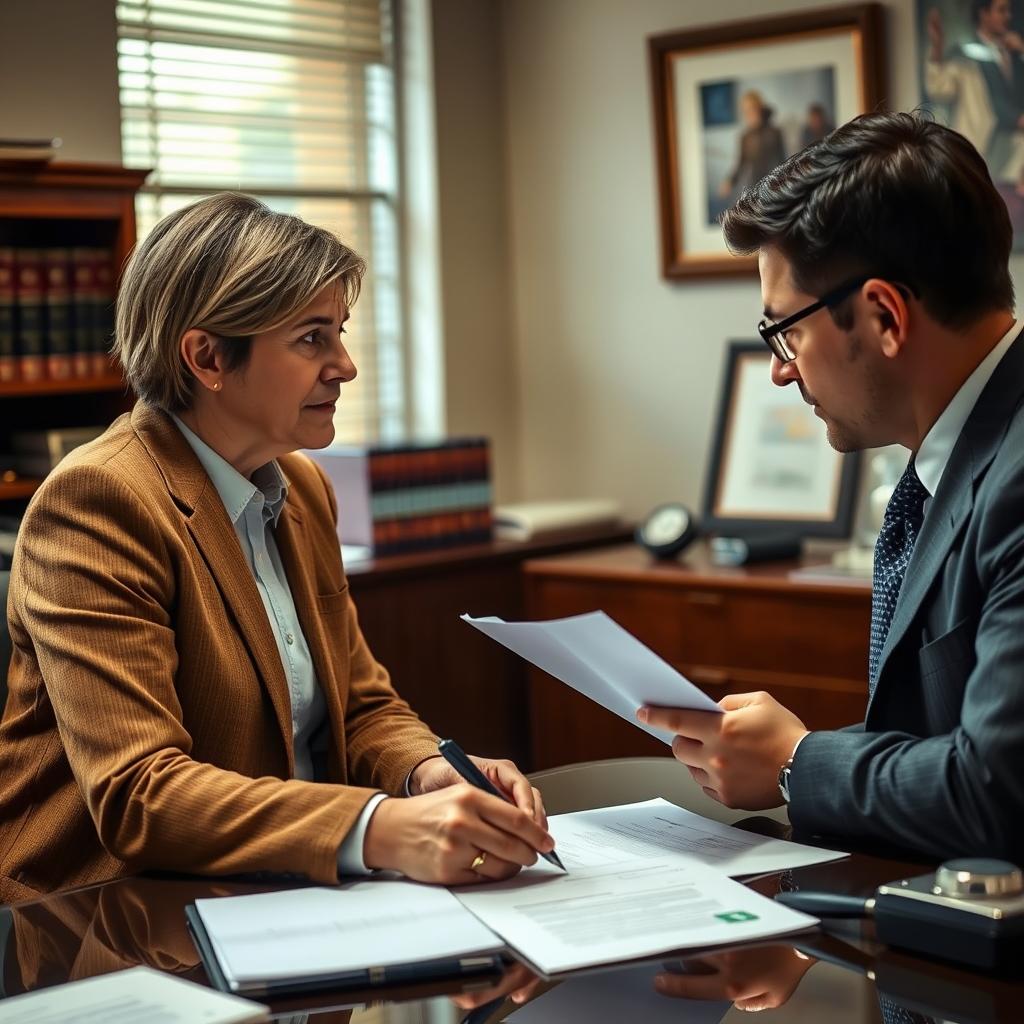
Will Contest Lawyer Fairfax County
A will contest in Fairfax County challenges the validity of a document submitted for probate. These disputes arise when a potential beneficiary or heir believes the will does not reflect the decedent’s true intentions—whether because of lack of testamentary capacity, undue influence, fraud, or failure to meet Virginia’s execution formalities. In Fairfax County, will contests are litigated in the Fairfax County Circuit Court, and the process requires careful development of evidence, often involving medical records, witness testimony, and handwriting analysis. Mr. Sris and the firm’s Of Counsel attorneys handle these sensitive matters from the initial investigation through trial. For a consultation, reach Law Offices Of SRIS, P.C. at (888) 437-7747.
What Will Contest Means in Fairfax County
Fairfax County is Virginia’s most populous jurisdiction, and its Circuit Court—located at 4110 Chain Bridge Road—has exclusive jurisdiction over probate and will contests under the Virginia Wills Act (Va. Code § 64.2-400 et seq.). A will contest is not a routine probate matter; it is a civil action that challenges the instrument’s validity on statutory or common-law grounds. Because Fairfax County has a high concentration of multi-generational estates, blended families, and complex asset holdings, local will contests frequently involve substantial estates and emotionally charged family dynamics.
Virginia law provides several recognized grounds for contesting a will. A contestant may argue that the testator lacked testamentary capacity at the time of execution, that the will was the product of undue influence, that the will was procured by fraud, or that the will was not executed in accordance with statutory formalities—such as the requirement that the testator sign in the presence of two competent witnesses who also sign in the testator’s presence. The party challenging the will bears the burden of proof, and the litigation can freeze the administration of the estate while the case is pending. Legal counsel evaluates the strength of the evidence and advises clients on whether a contest is viable or a settlement is appropriate.
How Mr. Sris and the Firm’s Of Counsel Attorneys Handle Will Contest Cases
Will contests demand a methodical, evidence-driven approach. The firm’s attorneys begin by reviewing the will, the probate file, and any prior estate-planning documents to identify inconsistencies. They then gather medical and financial records, depose witnesses—including the drafting attorney, family members, and caregivers—and, when necessary, work with forensic document examiners and medical experts to assess capacity and influence at the time of execution. The goal is to build a record that can withstand scrutiny at trial or persuade the opposing side to negotiate a resolution that preserves family relationships and conserves estate assets.
The procedural path in Fairfax County Circuit Court follows the Virginia Rules of Civil Procedure. A complaint is filed, discovery is conducted, and the court may schedule pretrial conferences and settlement discussions. Because will contests are tried without a jury unless a party demands one, the judge evaluates the credibility of witnesses and the weight of the evidence. Mr. Sris, a former prosecutor, draws on extensive trial experience to present the case clearly and cross-examine adverse witnesses effectively. The firm’s Of Counsel attorneys contribute additional litigation and estate-analysis skills, so clients benefit from a collaborative, multi-attorney team.
About Mr. Sris and the Firm’s Of Counsel Attorneys
Mr. Sris is the Owner and Founder of Law Offices Of SRIS, P.C. He has practiced since 1997 and is admitted in Virginia, Maryland, the District of Columbia, New Jersey, and New York. His background as a former prosecutor informs his direct, courtroom-ready approach to fiduciary litigation. He testified before the Virginia House Courts of Justice Committee in support of 2019 HB 635 (chief patron Del. David Bulova), reflecting his long-term engagement with Virginia’s legal framework.
The firm’s Of Counsel attorneys bring extensive combined legal experience to trust and estate matters, including will contests. They function as a collaborative litigation team, marshaling discovery, evaluating expert testimony, and preparing cases for trial. Results may vary.
Frequently Asked Questions
Who can contest a will in Fairfax County?
Only an “interested person” has standing to contest a will in Virginia—typically a beneficiary under a prior will, an heir-at-law who would inherit if the will were invalidated, or a beneficiary named in the challenged will. Standing is determined at the outset of the case. A person with no financial stake in the estate, such as a disgruntled neighbor, generally cannot bring a contest. The court evaluates whether the challenger would gain a direct benefit from the will’s invalidation. If the contestant lacks standing, the case may be dismissed early.
What are the most common grounds for a will contest in Virginia?
The most common grounds are lack of testamentary capacity, undue influence, fraud, and failure to comply with execution formalities. Testamentary capacity means the testator understood the nature and extent of their property, the natural objects of their bounty, and the disposition they were making. Undue influence requires proof that the testator’s free will was overpowered by another person to the extent the will reflects that person’s wishes rather than the testator’s. Fraud involves misrepresentations that induced the testator to sign. Execution challenges focus on whether the will was properly signed and witnessed.
How long does a will contest take in Fairfax County?
The timeline for a will contest depends on the complexity of the estate, the volume of discovery, and the court’s calendar. Some cases resolve in a matter of months through settlement, while fully litigated contests can extend well beyond a year. The probate process itself is typically stayed during the litigation, meaning estate assets may remain unavailable until the matter concludes. Your attorney can give you an estimate once the specific facts are known.
What evidence is used to prove undue influence or lack of capacity?
Evidence often includes medical records, testimony from treating physicians, statements by family members and caregivers, and the drafting attorney’s file. Forensic psychiatry or geriatric psychology attorneys may evaluate the testator’s cognitive state at the relevant time. Document examiners can analyze signatures for authenticity. Circumstantial evidence—such as a sudden change in the will favoring a new acquaintance—also plays a role. The firm’s attorneys work with qualified attorneys to build the strongest possible record.
Do I need a lawyer for a will contest in Fairfax County?
Self-representation in a Fairfax County will contest is extremely difficult and is not recommended. The procedural rules are strict, discovery is demanding, and the evidentiary burdens are high. An experienced attorney can evaluate the viability of a contest, preserve evidence before it is lost, and avoid procedural missteps that could bar the claim. For guidance on your specific situation, reach Law Offices Of SRIS, P.C. at (888) 437-7747.
Can a will contest be settled out of court?
Yes, most will contests settle before trial. Settlement allows the parties to negotiate a distribution that avoids the expense, delay, and public nature of a trial. Mediation is common in Fairfax County estate disputes and can preserve family relationships. An attorney can help assess whether a settlement offer is fair and whether litigation is a better path.
What happens to the estate while a will contest is pending?
The estate administration is typically stayed until the contest is resolved. The person nominated as executor is not formally appointed, and assets cannot be distributed. The court may appoint an administrator pendente lite to manage the estate during the litigation. This freeze can be financially burdensome, so it is important to weigh the costs and benefits of a contest carefully.
Is there a deadline to file a will contest in Fairfax County?
Virginia does not have a standalone statute of limitations that applies only to will contests; instead, the challenge must be brought within the applicable statutory period for civil actions and, in practice, promptly after probate opens. Delaying too long can raise laches issues or allow the estate to be distributed. An attorney can advise on timing based on the specific probate proceeding.
Additional Resources
For authoritative primary-source information, review the Virginia Code sections on wills and trusts at Virginia Code Title 64.2. The Fairfax County Circuit Court’s probate page offers local procedural guidance at Virginia Circuit Courts. For business entity and estate-planning context, visit the SCC business entity filings page.
Attorney advertising. Prior results do not guarantee a similar outcome.
Case results depend on a variety of factors unique to each case.
Results may vary.